Chobe Safari Lodge Logo

SMALL ACTS OF KINDNESS CAN ACHIEVE GREAT THINGS

By staying at our properties, each guest helps make Botswana a better place.

Treetops Lookout Deck Chobe

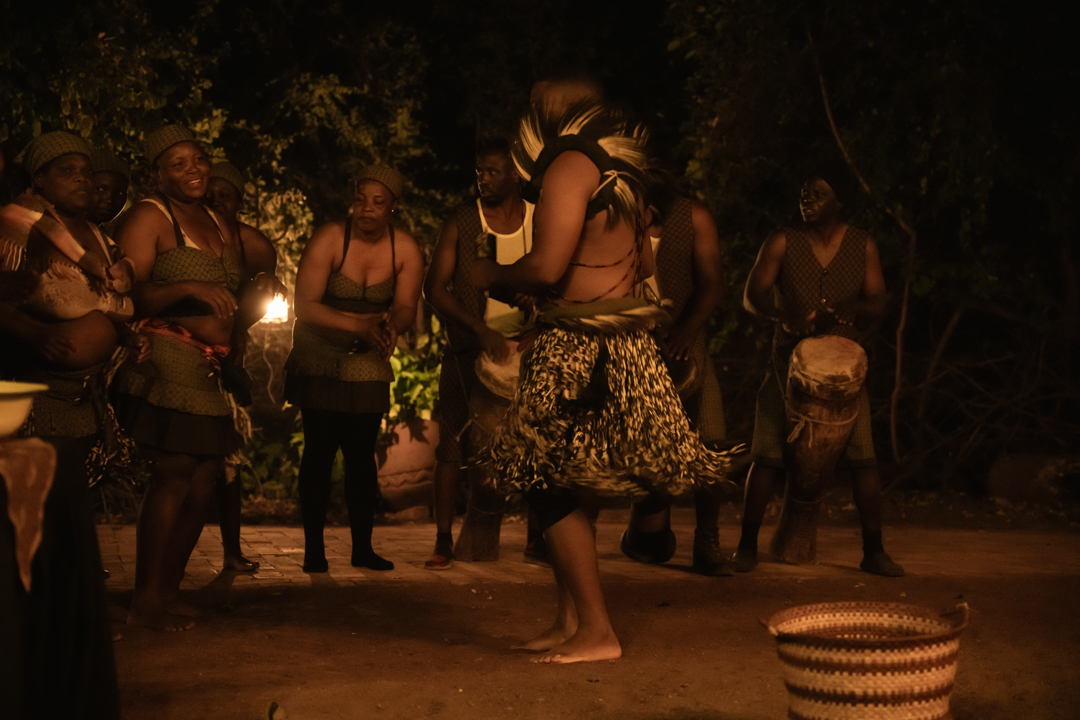
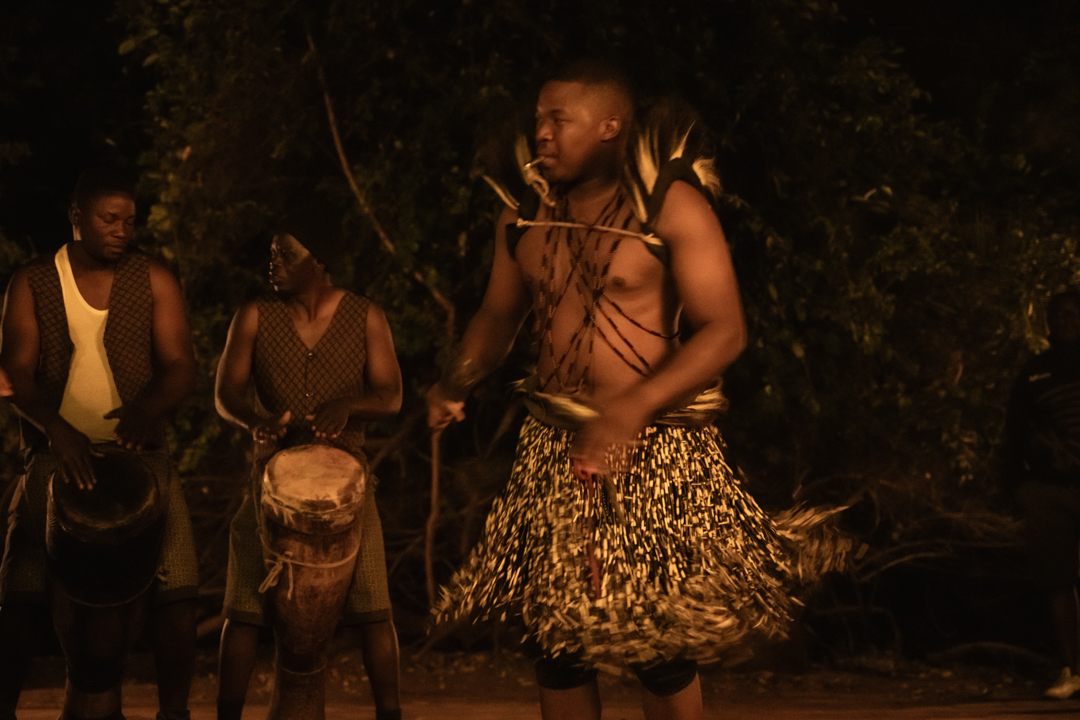
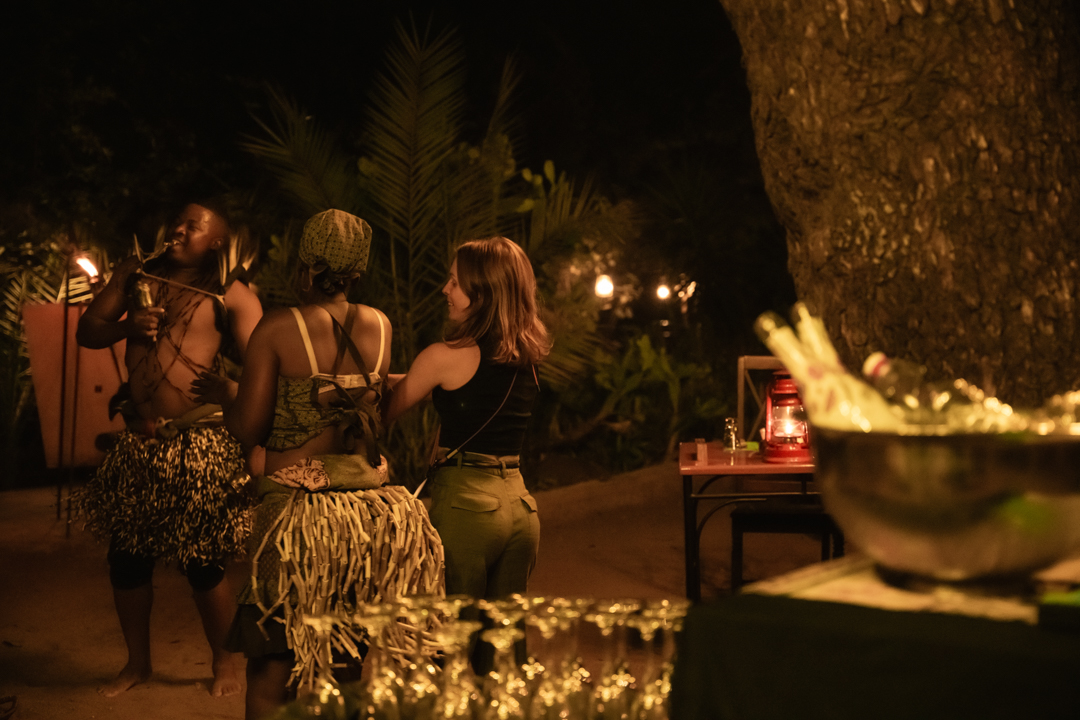
When the sun sets over the Chobe River and the air fills with the smell of grilled delights, the Sedudu Bar and Grill come alive with more than just food and laughter. Guests are transported into the heart of Botswana’s diverse heritage through the powerful rhythms, traditional costumes, and spirited movements of cultural dance groups who perform at The Chobe Safari Lodge. We sat with each dance group to gain a deeper understanding of their roots and the stories they bring to life at our fires during the Sedudu Outdoor Dining Experience.


1. Twayuva Diware Dance Group – Healing in Motion

The Twayuva Diware Dance Group, formed in 2010, brings to life the traditions from the Wayeyi and Hambukushu ethnic groups in the Okavango district. Their dance style, Diware, is not just entertainment; it is a healing ritual.

Traditionally, Diware is performed when a family seeks help from a healer, or Nganga. Through singing, dancing, and the symbolic attire of skirts, shawls, beads, and charms, the ritual connects the physical and spiritual worlds, helping restore a sick person to health. At Sedudu, guests get a taste of this deep cultural practice transformed into an energetic, celebratory performance.
Sedudu Bar and Grill The Chobe Safari Lodge 2025 8

The formation of Twayuza dance group was inspired by the spirit of community, social bonds and ties. Ms Keitumetse, the group leader, shares that Hambukushu people are originally from Okavango so most of them found themselves in Kasane in search of greener pastures or because of work. An idea occurred that they should form a group and start a Diware traditional dance group as a way to connect with their culture during their leisure time.
Sedudu Bar and Grill The Chobe Safari Lodge 2025 9

Look out for: women in long skirts forming a circle, singing Tjimbukushu healing songs, while the healer blows a whistle – a sound that bridges the spiritual and physical realms. Animal skins and other natural elements often incorporated into the outfits represent a deep connection to nature and the spiritual world. They may also signify past successful healing rituals or spiritual encounters. What makes Twayuva unique is their authenticity: they perform purely out of love for culture, not for competition.


2. Chaako Nchaako Seperu Group – The Dance of the Basubiya

 Formed in 2014, the Chaako Nchaako Seperu Group represents the Basubiya people, known locally as Veekuhane, whose roots are in the Chobe Enclave. 

Their performances bring to life the Seperu dance, a vibrant and elegant style often performed at weddings, initiations, coronations, and heritage festivals like Cisiya Nkulu.

The dance appears in life’s defining moments — weddings, initiation into womanhood, coronations, and rites of passage. In weddings, the dance surrounds the bride and groom with blessings and gifts. At coronations, it honours chiefs with songs of loyalty and joy. 

Women perform in a horseshoe formation; men, notably the lead dancer, wield a fly whisk to call forward a dancer who then displays her “mushishi” skirt in a sweeping display. Women wear these Moshishi skirts, layered in dazzling colours that fan out like a peacock’s feathers as they dance.

Men wear Chiziva skirts and hold fly whisks, a reminder of their heritage as cattle keepers.

The group’s formation often depicts polygamous marriages, echoing Basubiya traditions of the past.

Beyond its ceremonial role, the group was born out of necessity and a social anchor. As their leader explained:

“After seeing a lot of youth roaming the streets and being idle because they were unemployed, most of them were involved in the excessive consumption of alcohol and other social ills. So, we formed this group to keep them busy and engaged in a meaningful activity. At the same time, they would learn the Seperu dance and the cultural traditions of the Basubiya, locally known as Veekuhane, while also earning a living through this group.”

The dance also takes centre stage during Cisiya Nkulu, the annual festival celebrating Basubiya heritage, culture, and traditions. Held in Kavimba, the Basubiya headquarters, the event is filled with song, dance, traditional food, and cultural games. Seperu groups perform in turn to entertain the crowds, while leaders such as Ministers, Members of Parliament, and even dignitaries from neighbouring nations join the festivities. 

Chaako Nchaako has performed not only in Botswana but also in Zambia, Namibia, and even Dubai, carrying the rhythm of the Basubiya far beyond Chobe. 

Seperu is more than just a celebration. This dance troupe is safeguarding a tradition that the world now recognises as fragile but vital. In 2019, UNESCO placed the Seperu folkdance and associated practices on its List of Intangible Cultural Heritage in Need of Urgent Safeguarding. UNESCO notes that there are only around 194 active Seperu practitioners, with just 12 masters over the age of 70. This makes the group’s work in training children and youth not only admirable but crucial. 


Their performances at Sedudu are therefore not just a spectacle — they are part of a living strategy to preserve this endangered cultural treasure.


3. Matsosangwao Arts Ensemble – A Journey Through Botswana’s Tribes

The Matsosangwao Arts Ensemble, founded in 2005 by the charismatic Mr Chix, is the oldest performing group at The Chobe Safari Lodge. With nearly 20 years of experience, they have mastered the art of blending tradition with showmanship, offering a sweeping journey through Botswana’s diverse ethnic dances. 

This group mainly performs an ensemble, or a mixture of different cultures found in

Botswana, including: 

  • Setapa (Central Botswana) – a dance of joy, performed in animal-skin attire.
  • Tsutsube (San communities) – a healing ritual performed around a bonfire.
  • Phathisi (Kweneng district) – where men in trench coats, hats, and strings tied at the knees mimic the carefree life of old cattlepost men.
  • Dikhwaere – festive wedding songs performed in the iconic Leteisi fabric.
  • Hosana (Kalanga tribe) – a barefoot ritual dance asking ancestors for rain.

Each costume and song carries layers of meaning: baskets filled with crops represent sustenance, while the Leteisi fabric signifies marriage, patriotism, and national pride.

Matsosangwao has commercialised their performances, travelling internationally to India, America, and beyond, while still staying rooted in Botswana’s heritage. They’ve also pioneered cultural entertainment tourism in Chobe, paving the way for younger groups.


More Than Entertainment – A Cultural Exchange

At the Sedudu Outdoor Dining Experience, these performances are not just shows; they are living classrooms.
Cultural Dancers Sedudu Chobe Safari Lodge

Guests learn that: dance can heal (Diware), dance can celebrate milestones and heritage (Seperu), dance can preserve and showcase diverse cultures (Matsosangwao’s ensemble).

The groups also take pride in passing their knowledge to the next generation, training children and youth to ensure these traditions thrive.

All three groups share a dream: to one day establish cultural villages where tourists can immerse themselves fully – not just through dance, but also through crafts like basket weaving, pottery, and storytelling.


Until then, the Sedudu Outdoor Dining Experience remains one of the best places to experience Botswana’s cultural heartbeat.

So, the next time you find yourself by the Chobe River, settle in, and let the drums, songs, and rhythms carry you through our many rich cultures. 


Chobe Christmas Party 2024

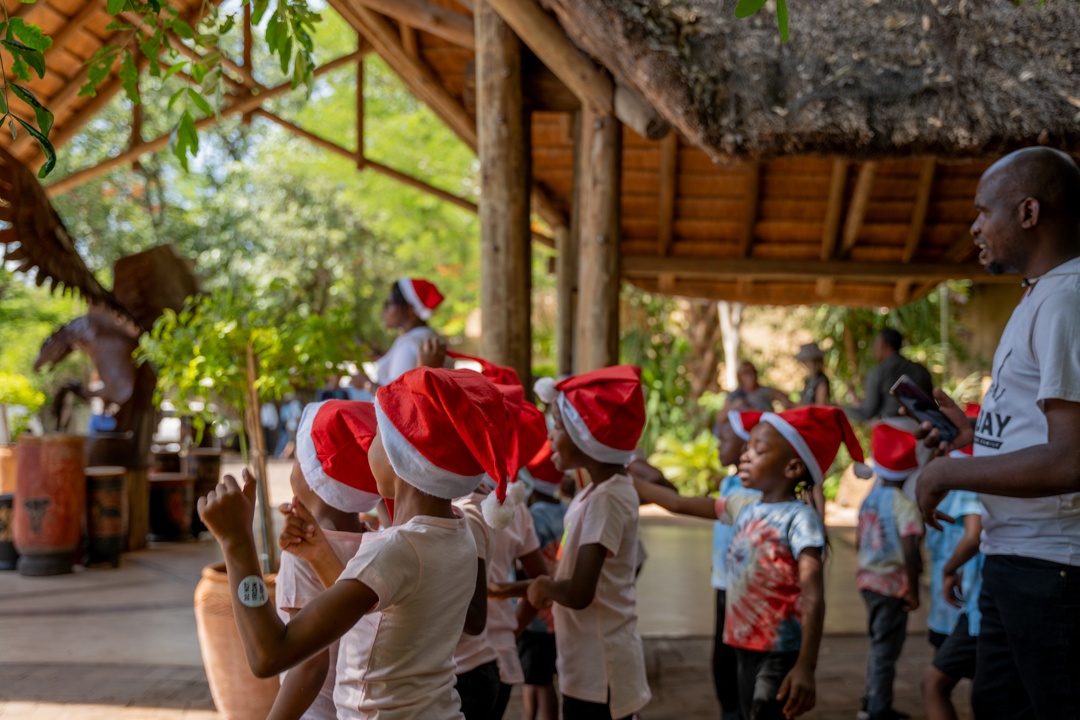
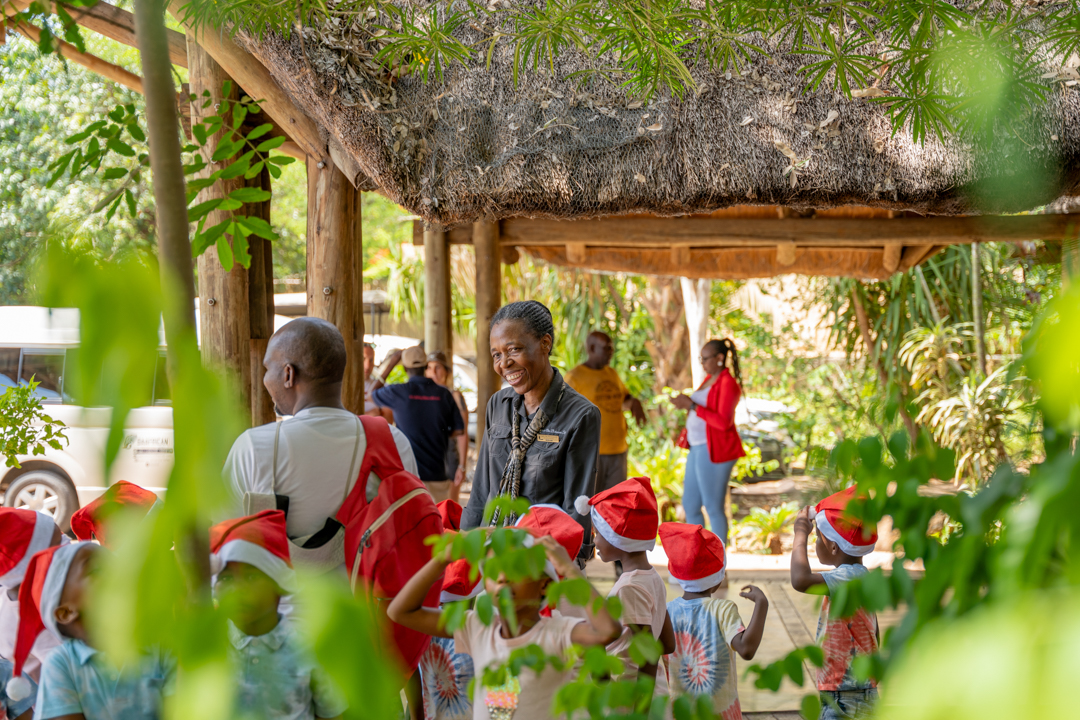
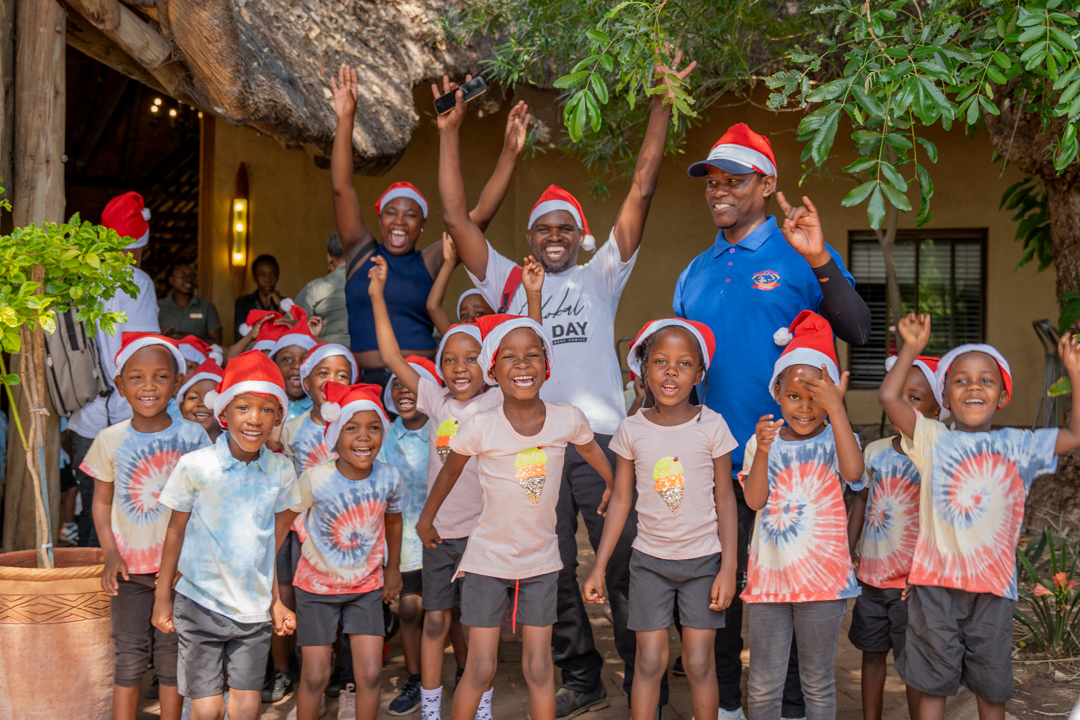
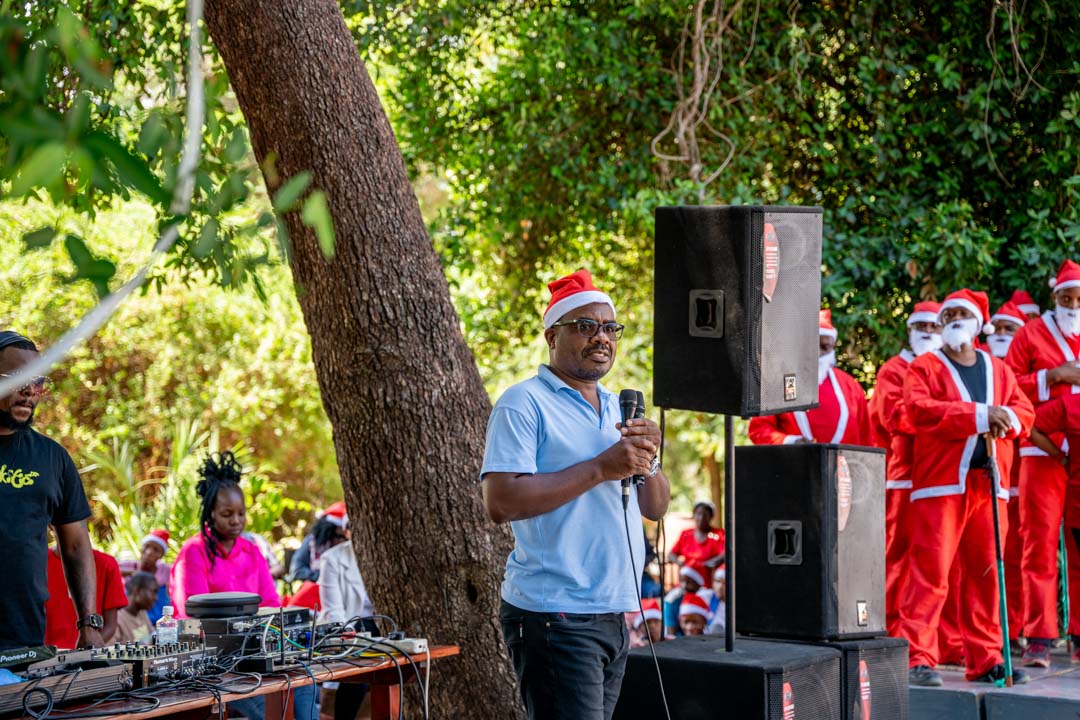
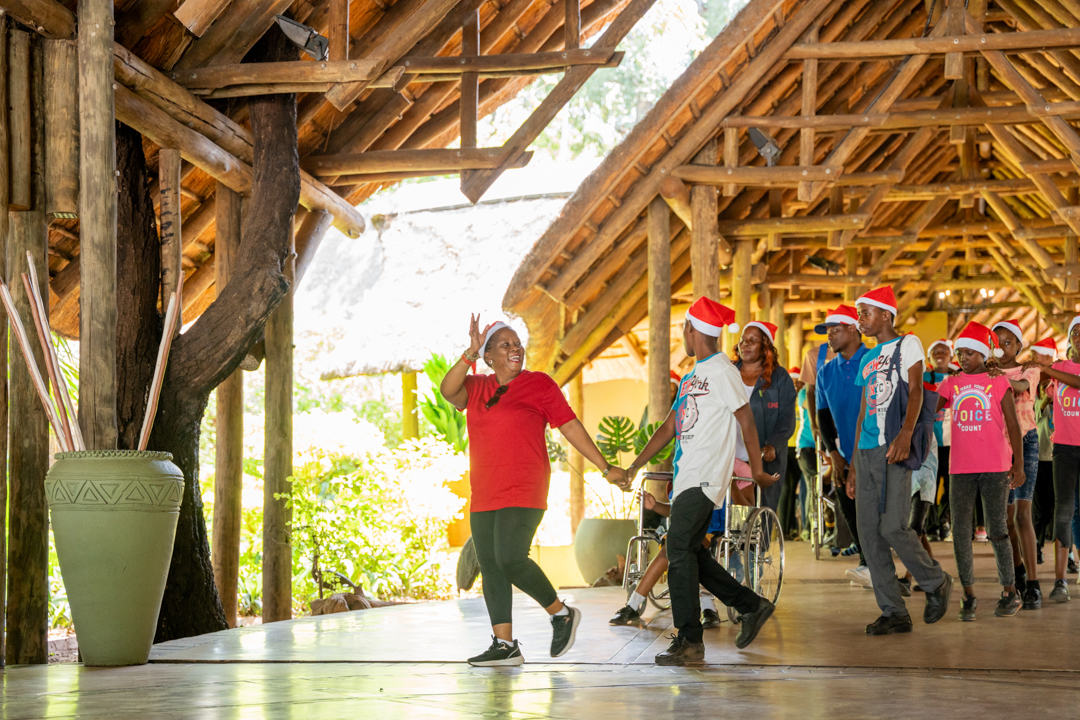
On a sunlit December morning in Botswana, the spirit of Christmas came alive at Chobe Safari Lodge’s 12th Annual Christmas Party!

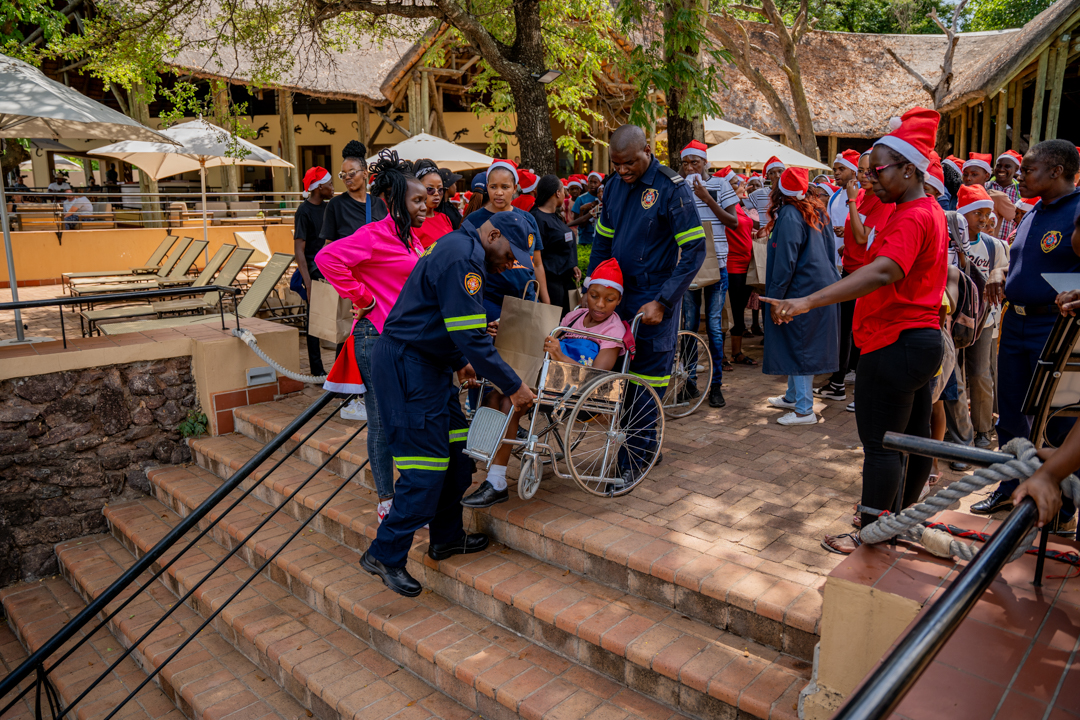
This year, we welcomed 140 children and their caregivers for a day filled with joy, generosity, and unforgettable experiences.

Chobe Safari Lodge Christmas Party 2024 4

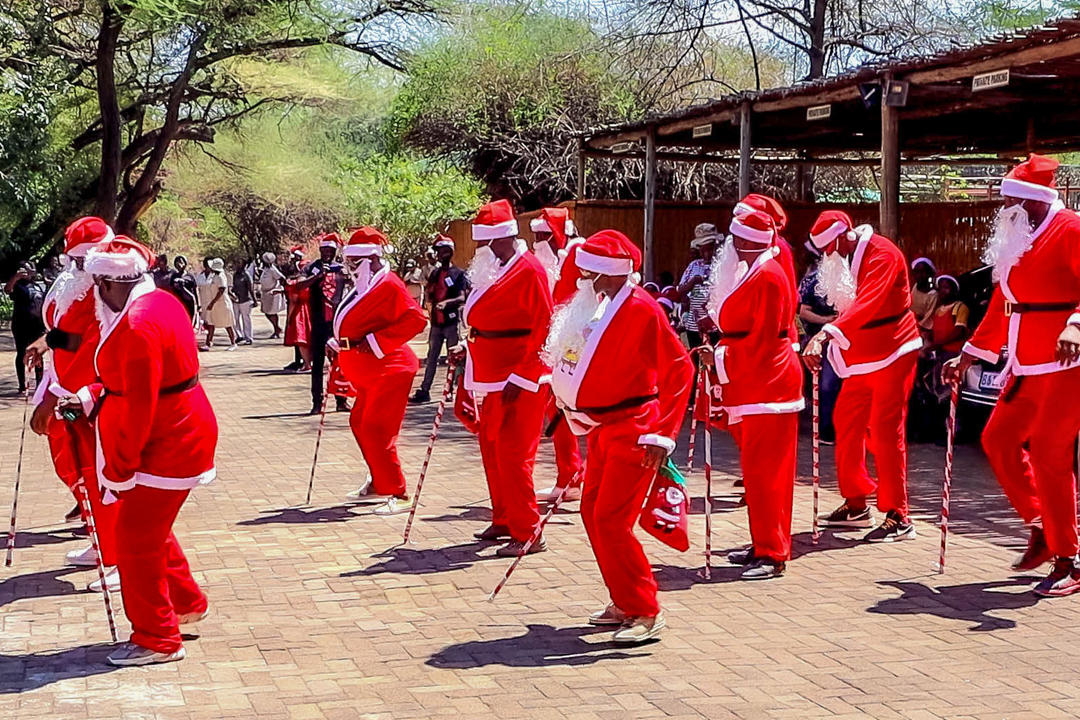
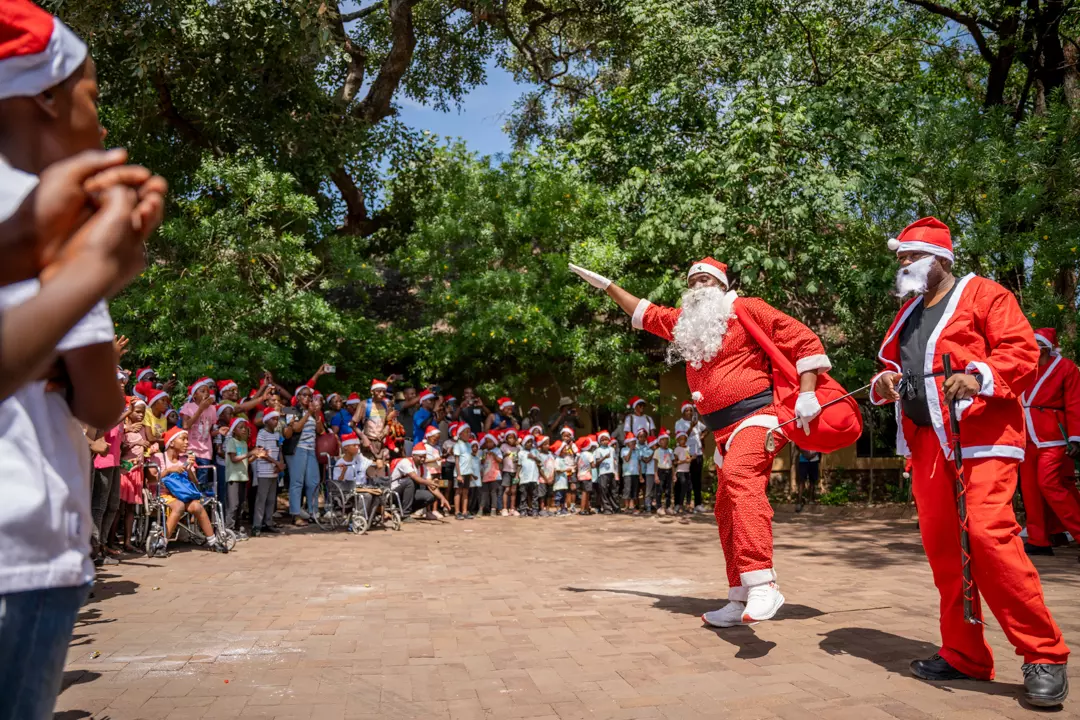
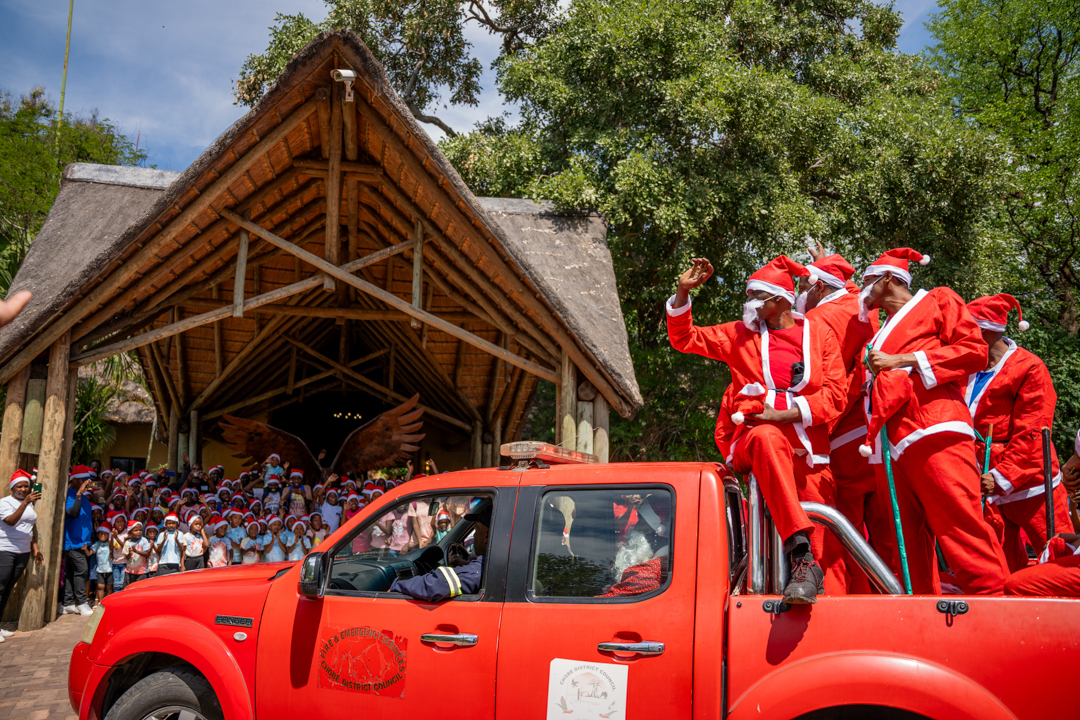
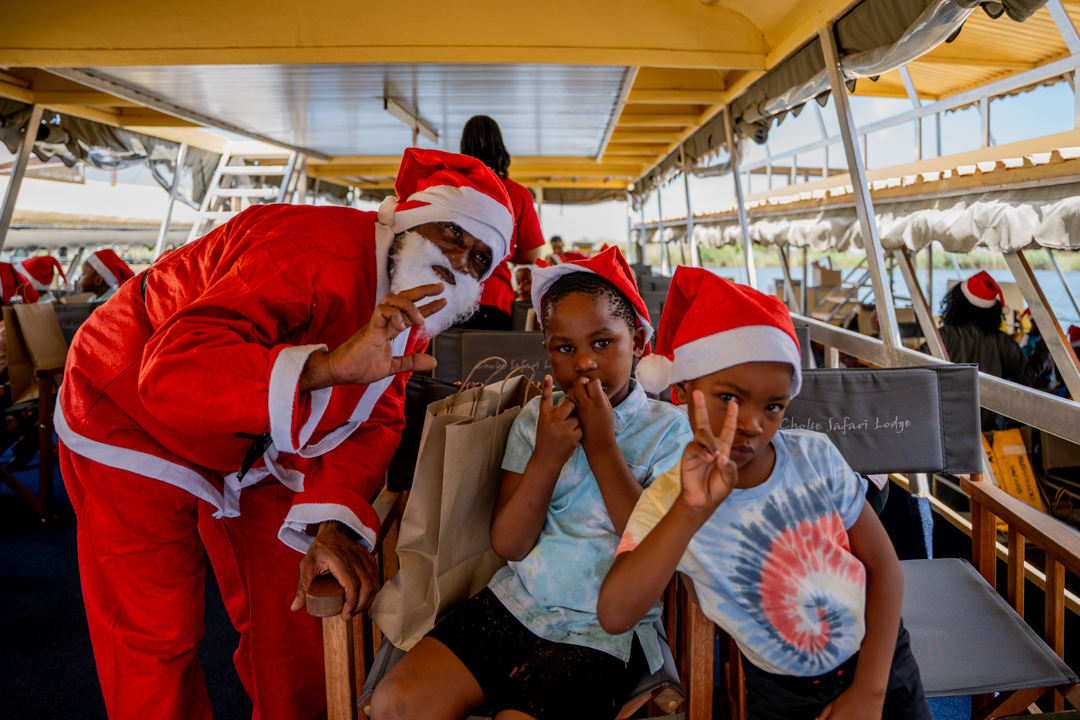
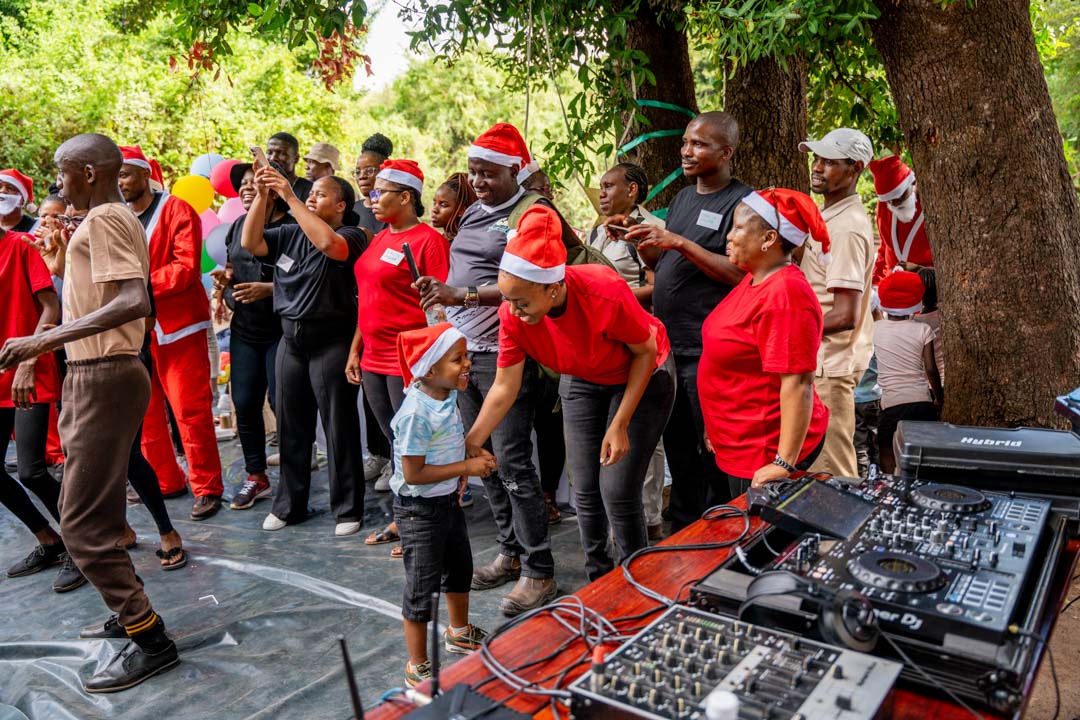
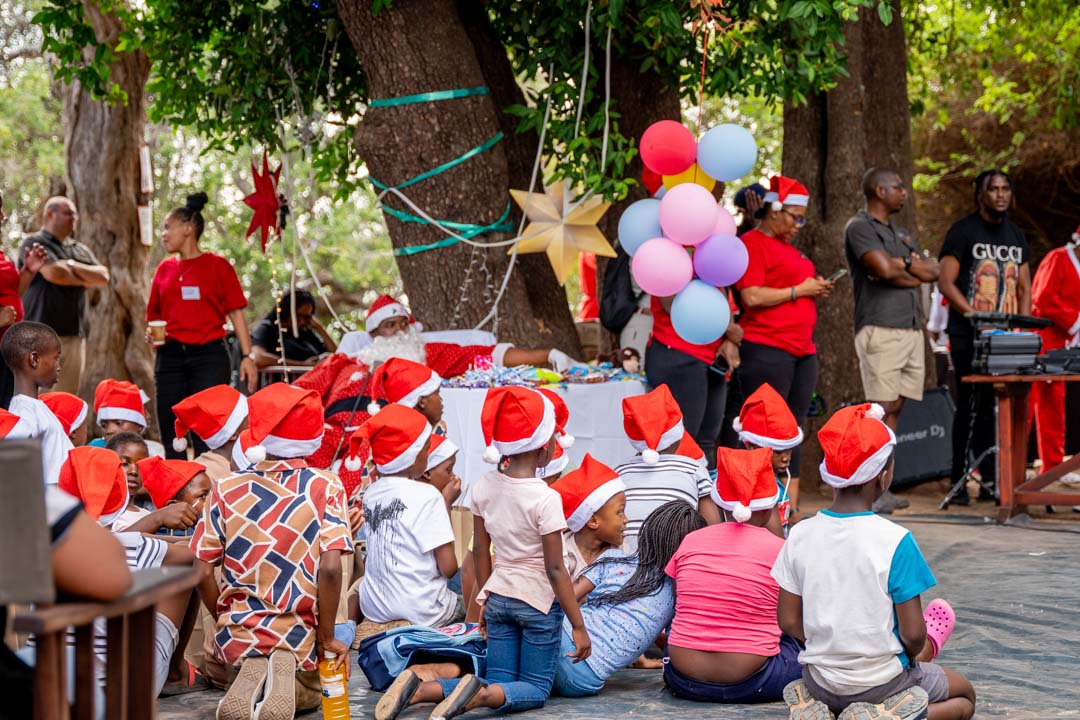
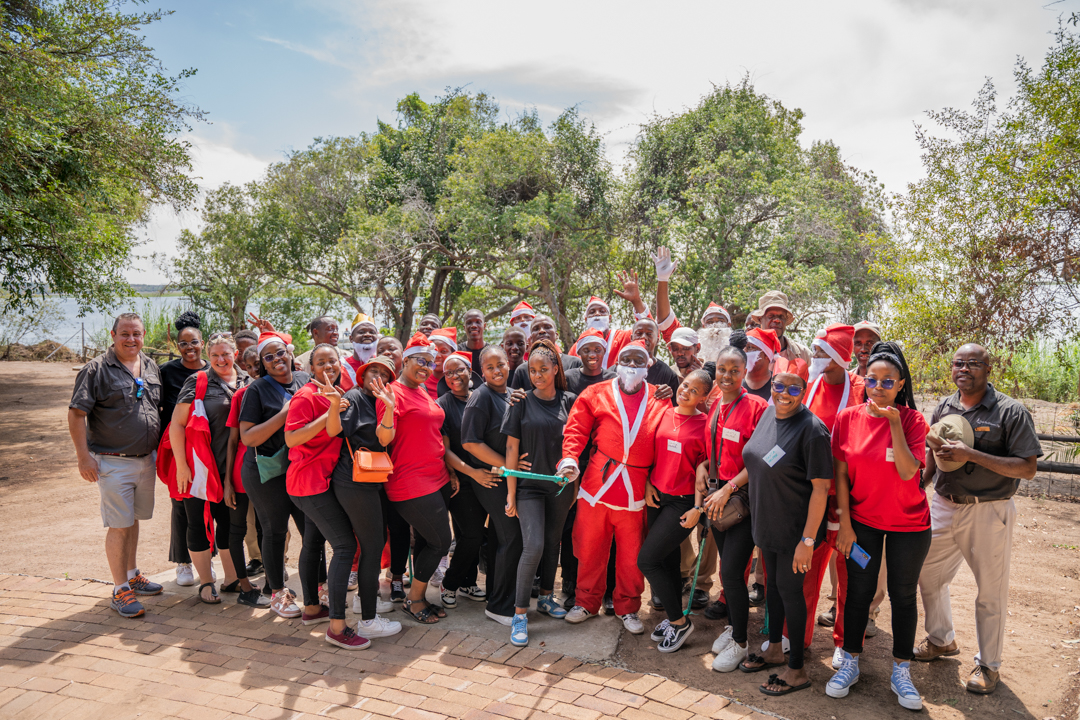
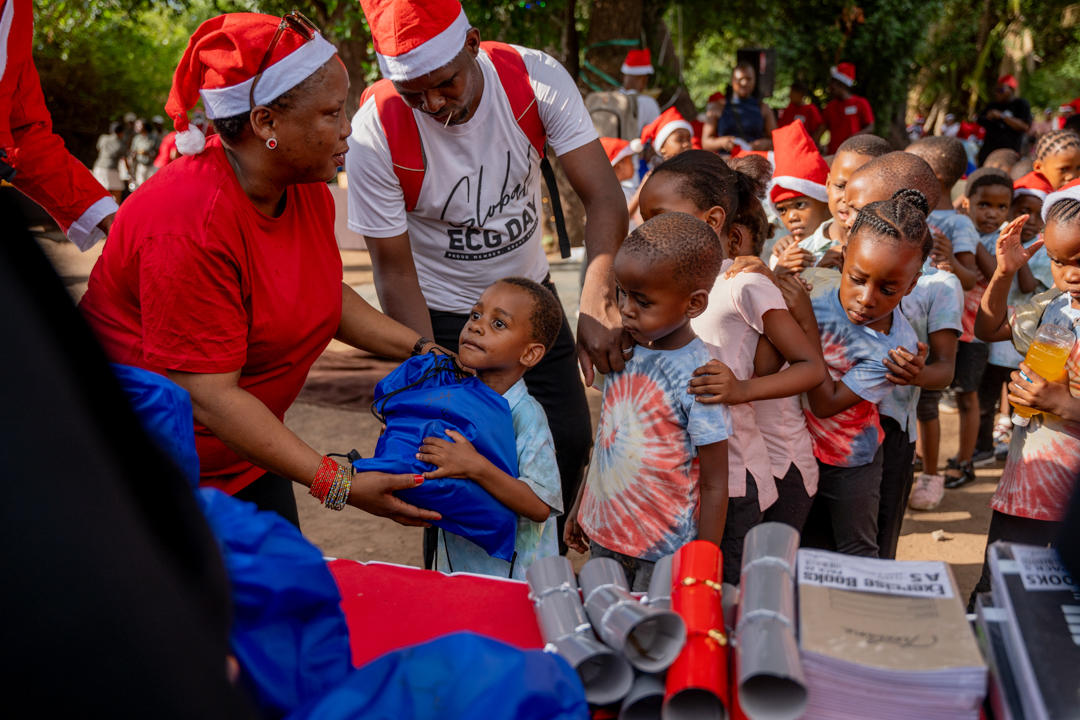
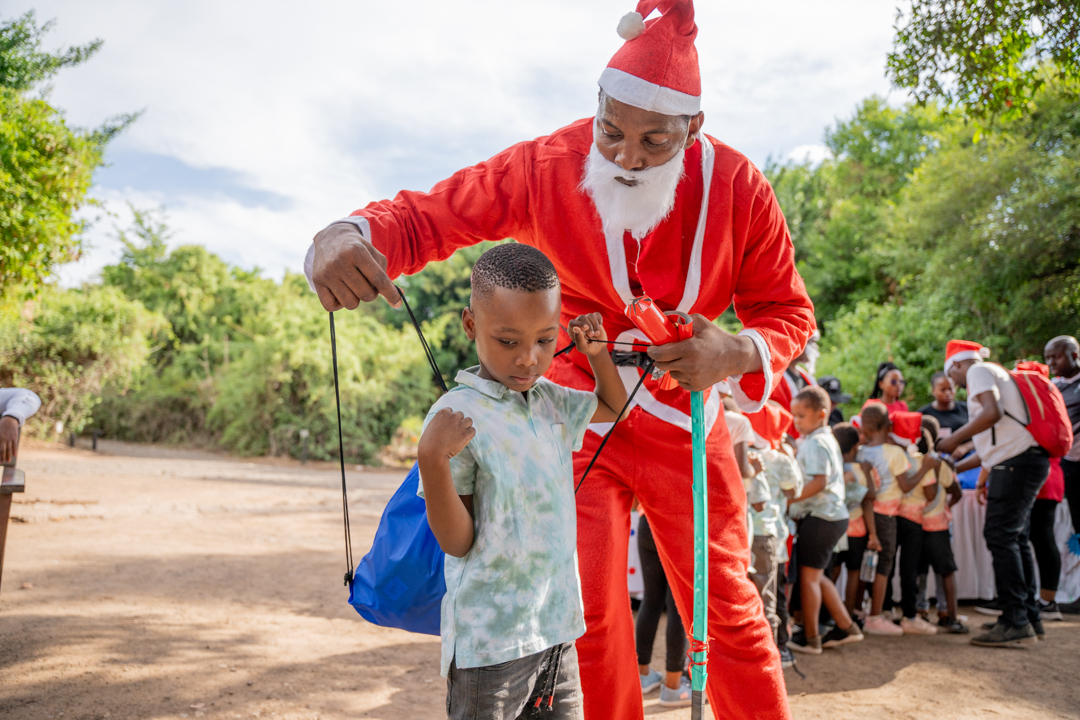
The day began with boundless excitement as the children arrived, greeted by 12 Santas — dedicated staff members dressed in bright red suits, embodying the magic of Christmas. 

Chobe Safari Lodge Christmas Party 2024 20

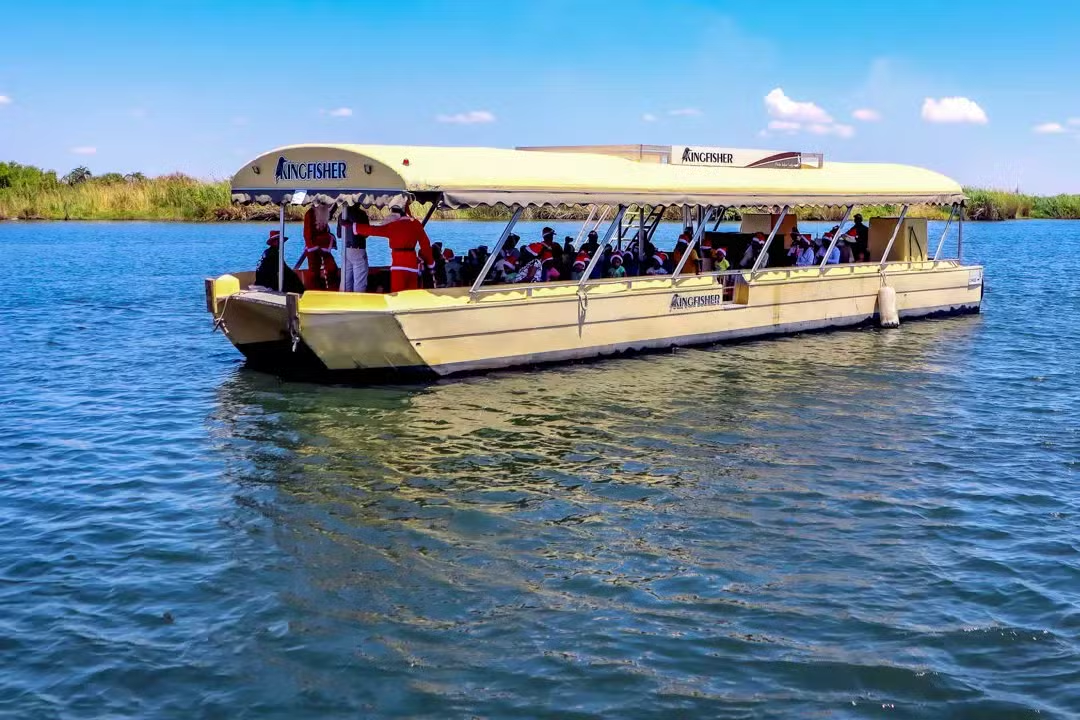
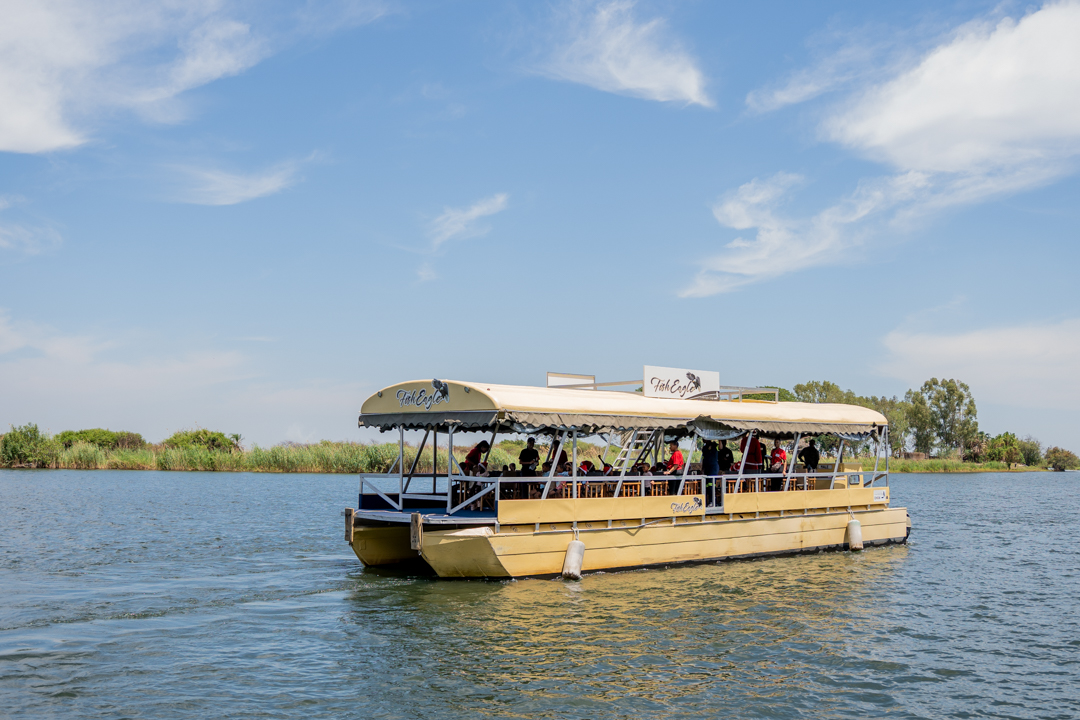
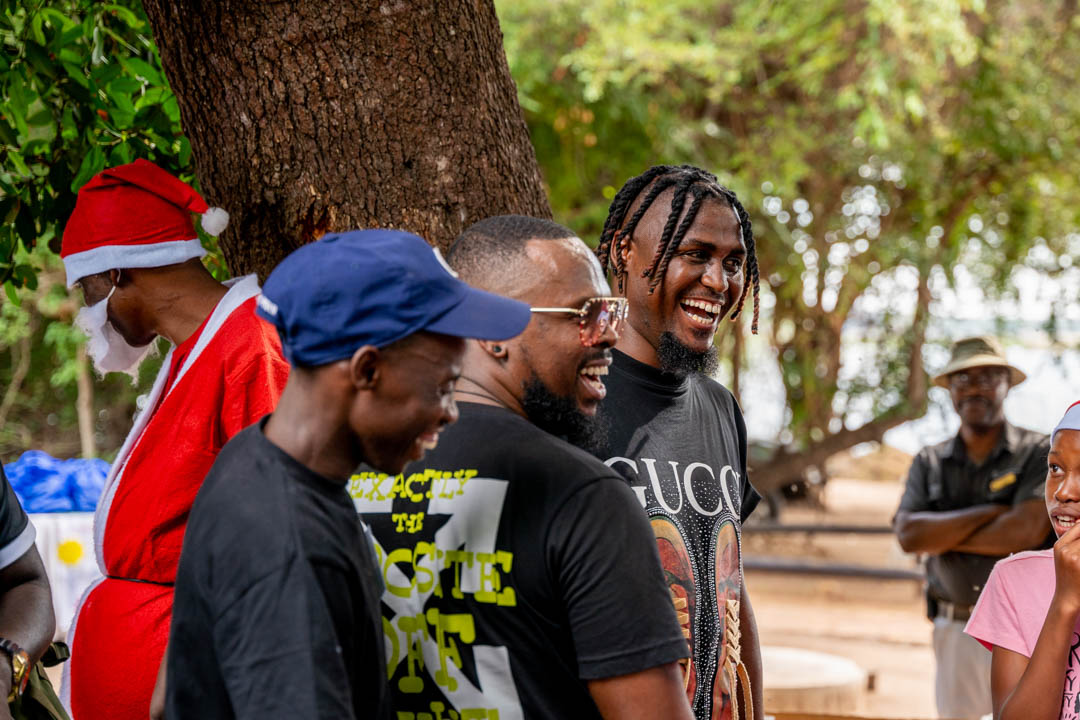
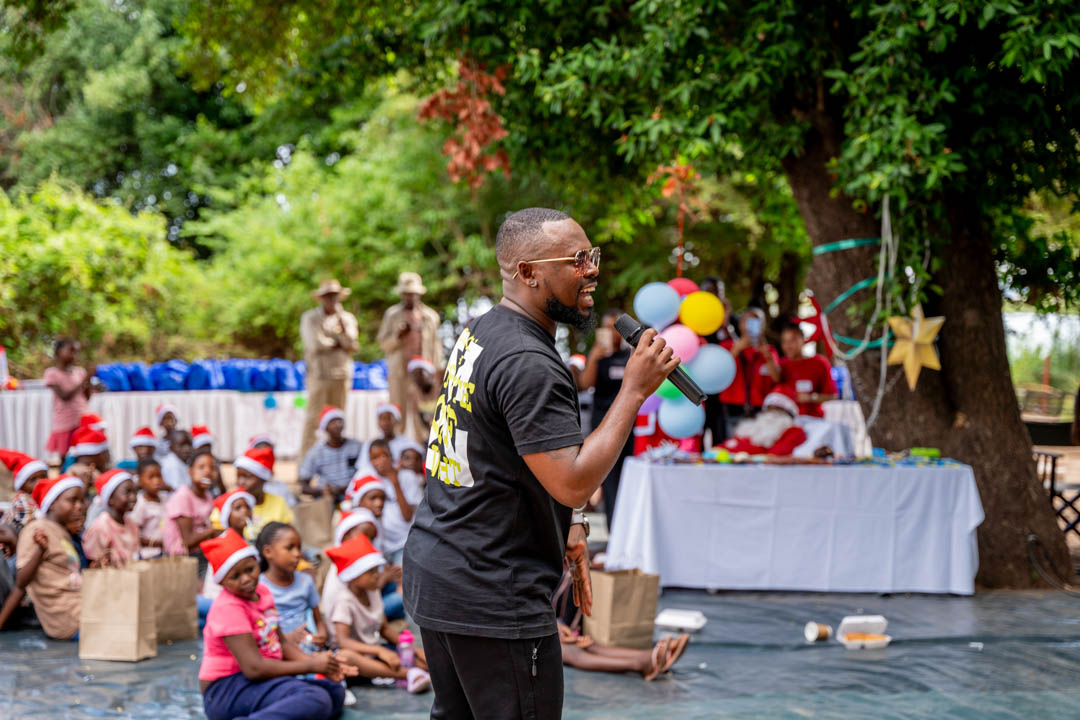
Another highlight was a thrilling boat safari on the iconic Chobe River. Children marvelled at the wildlife, spotting elephants, hippos, and crocodiles along the riverbanks. Then there was a splendid buffet lunch to enjoy under the trees at the Sedudu Bar and Grill, followed by the cheerful tunes of our local Chobe DJs, Shanky Breeze, DJ La Timmy and Keaz Boy.


Spreading Joy: The 12th Annual Christmas Party for the Children of Chobe

Chobe Safari Lodge Christmas Party 2024 13


Chobe Safari Lodge Christmas Party 2024 1


Chobe Safari Lodge Christmas Party 2024 21


Chobe Safari Lodge Christmas Party 2024 22


Chobe Safari Lodge Christmas Party 2024 24


Ke a leboga to our Chobe community!

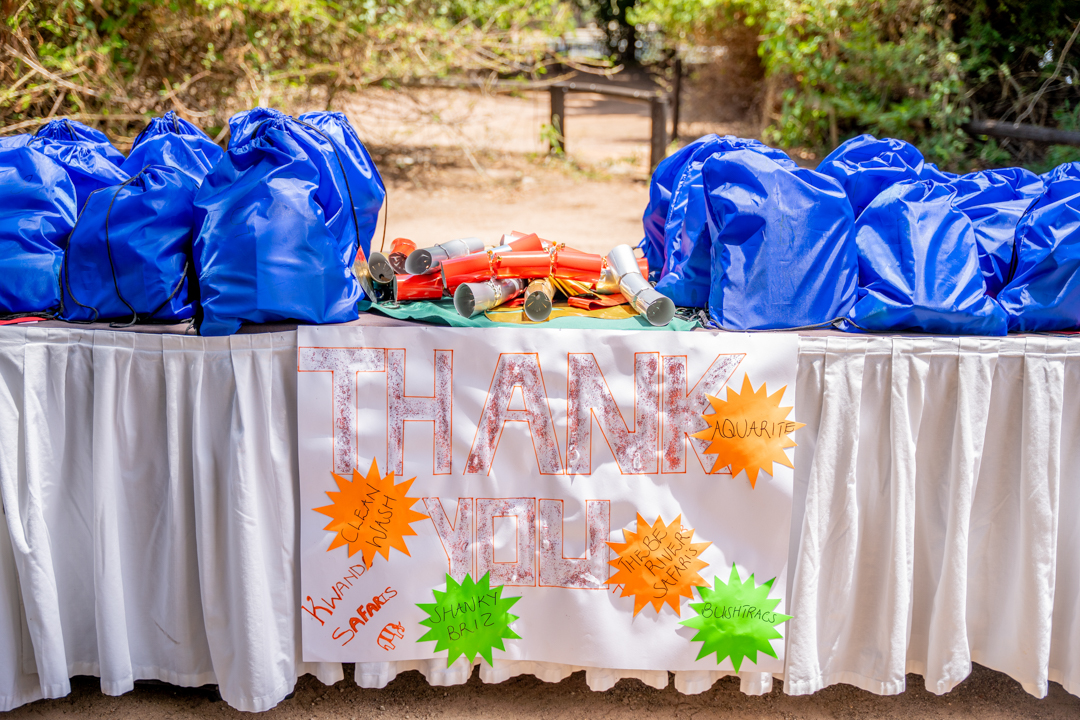
 A special thanks to the Chobe Safari Lodge team and the following operators, council and departments for your generosity. 

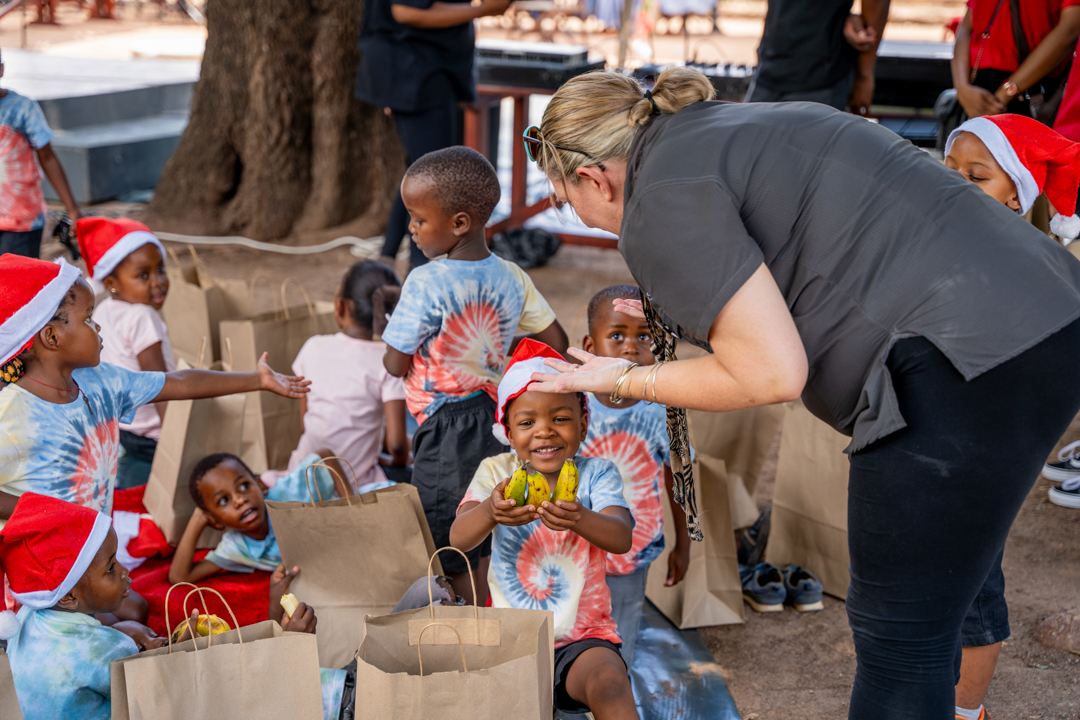
Thanks to generous sponsors and the Botswana Impact Levy, each child left with a backpack brimming with treats, clothing, school supplies, and toys. Watching their faces light up with joy as they opened their presents was a heartwarming reminder of the true meaning of the season. 

 Chobe Safari Lodge Christmas Party 2024 34


This incredible day wouldn’t have been possible without the support of many individuals and organisations. We extend our sincere gratitude to the sponsors who made this event a reality:

  • Senn Foods, Bidvest Foods, Foods in Chobe – For ensuring the children enjoyed delicious meals and snacks.
  • Kasane Electrical, ADA Consultancy, Northern Electrical, and Gabs Electronics – For their unwavering support in logistics and decorations.
  • Kya Sands, Botswana Consolidators, Buy and Build – For their contributions to gift items and supplies.
  • Shanky Breeze, DJ La Timmy, Keaz Boy – For filling the air with music and joy, creating a lively festive atmosphere.
  • Chobezi, Thebe River Safaris, Kalahari Tours, Bushtracks Africa – For organizing the memorable boat safari experience.
  • DWNP (the Botswana Department of Wildlife and National Parks) – For waiving park fees, allowing the children to experience Chobe’s natural beauty.
  • Kasane Fire Department – For ensuring the Santas arrived safely and in style to spread the festive cheer.
  • De Boo – For capturing these precious moments through photography.
  • Aquarite, Builders World, and Clean Wash – For their invaluable contributions to the event’s success.
  • Kwando Safaris – Thank you for supporting the initiative and helping create lasting smiles.

The 12th Annual Christmas Party was more than just a celebration — it was a day of connection, hope, and shared happiness. It exemplified the power of our community coming together to make a difference.

Here’s to continuing this beautiful tradition and spreading the magic of Christmas for years to come. We are so proud of the Chobe Safari Lodge team and deeply grateful to everyone who contributed to making this day unforgettable!


Kavimba Learn To Play Graduation 2024

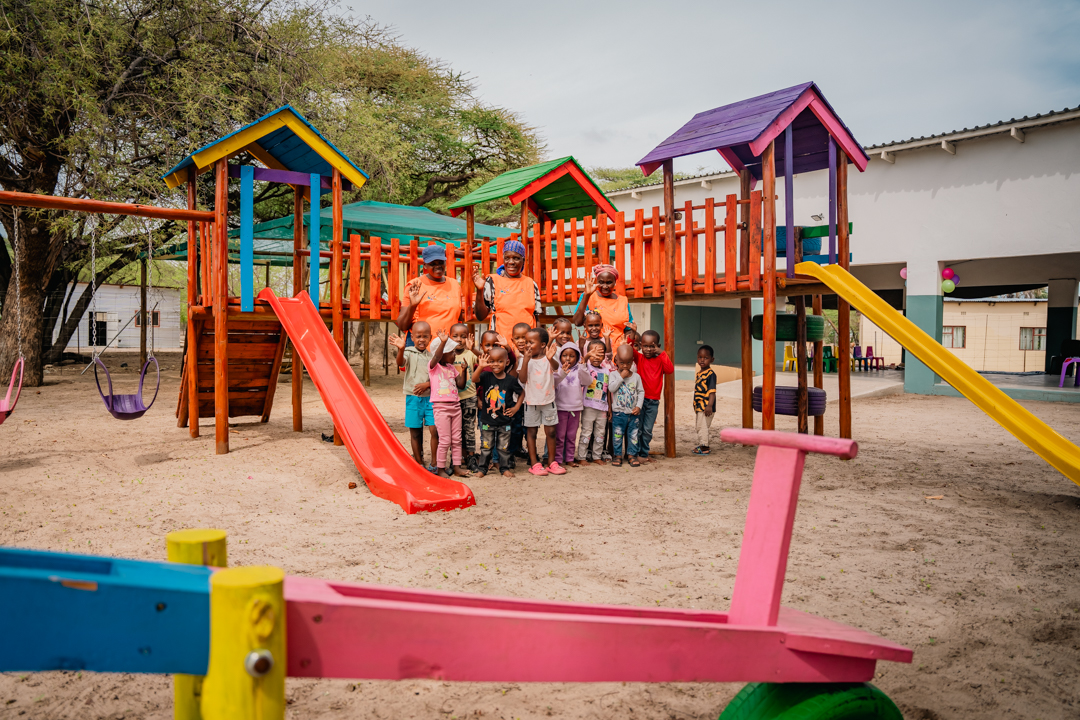
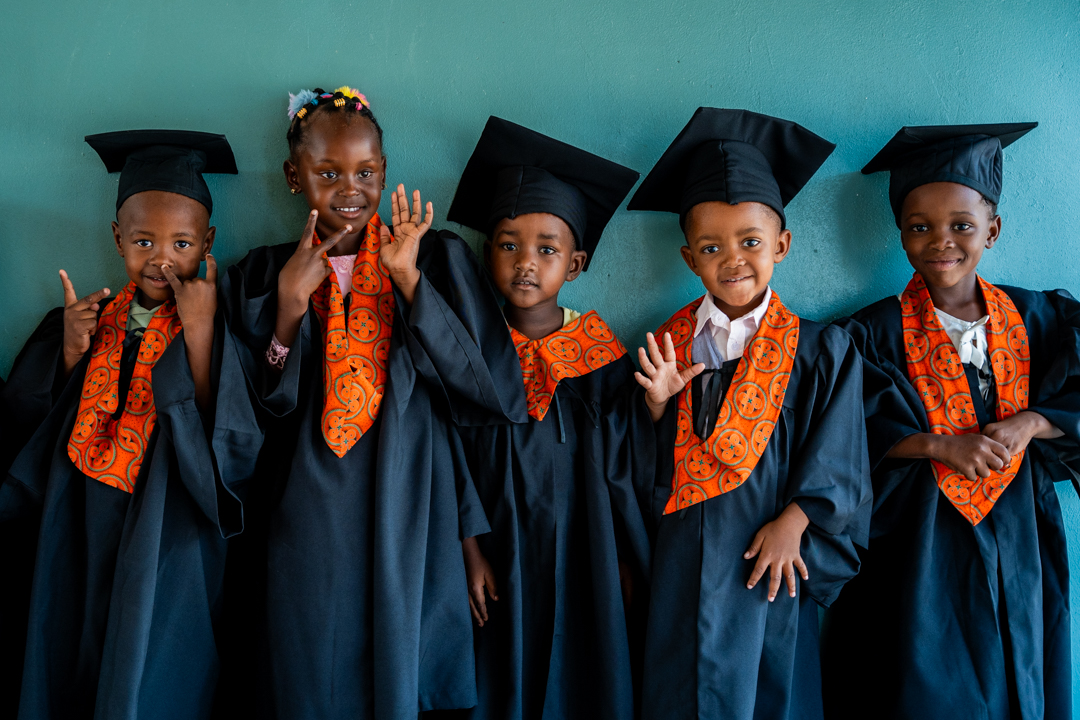
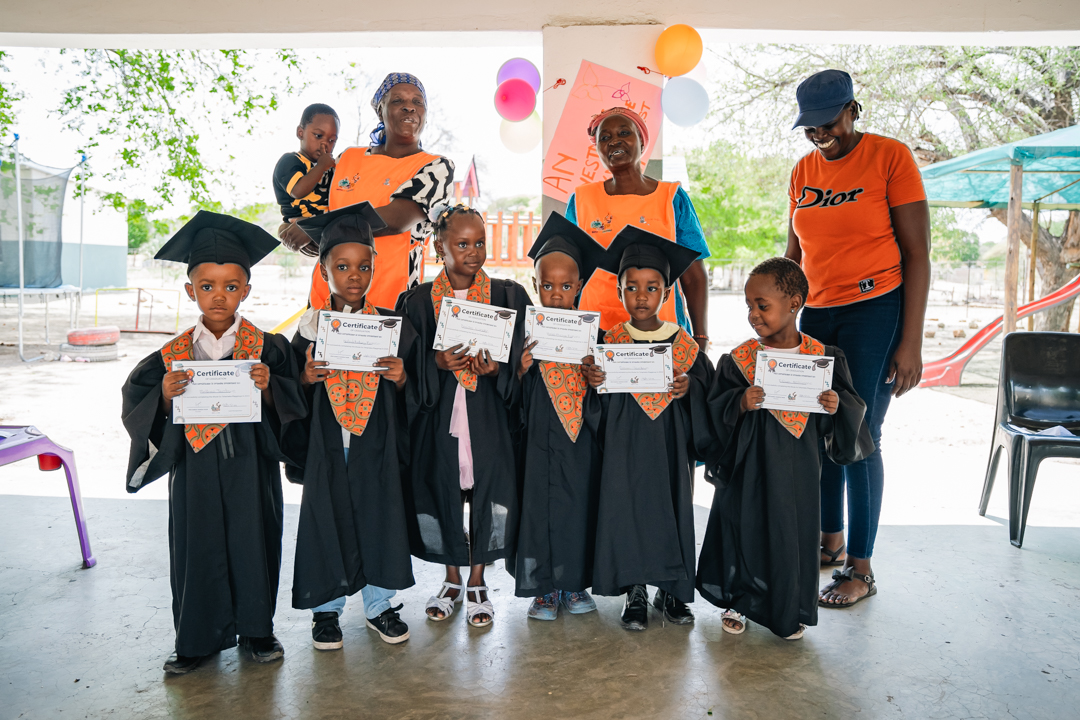
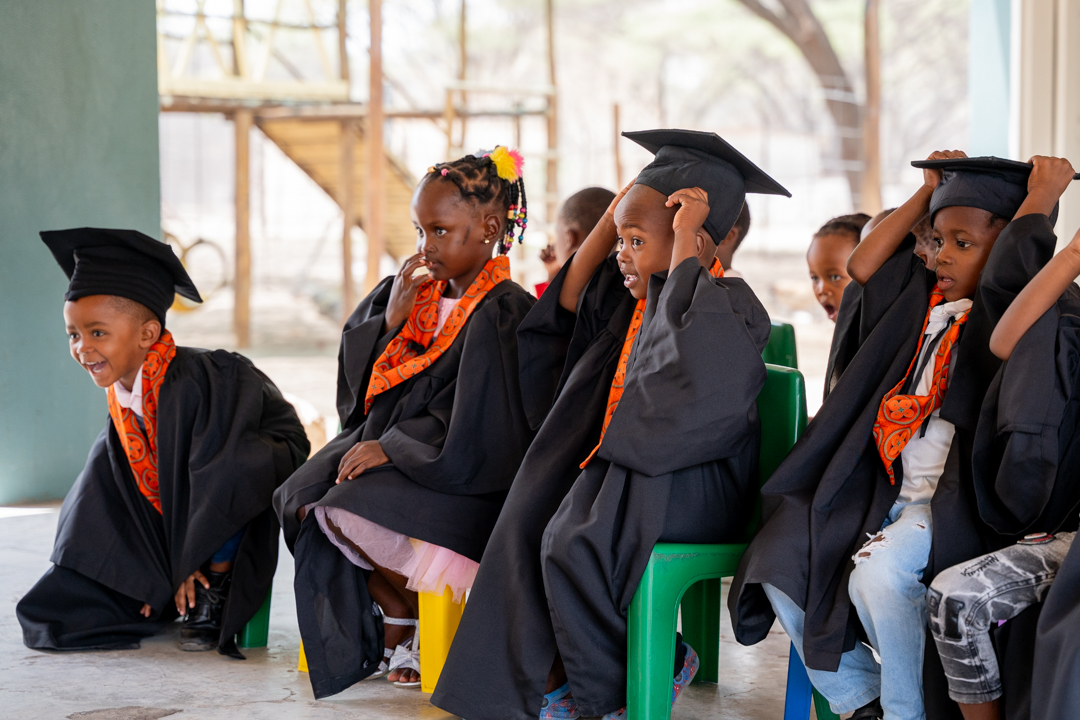
In December 2024, 215 children graduated from all Learn to Play playgroups across Botswana — what a milestone! We were privileged to attend the celebrations in Kavimba, a small village in the Chobe Enclave, about a one-hour drive from Chobe Safari Lodge.

Kavimba Learn To Play Chobe Safari Lodge 2024 80

Congratulations to all our little graduates on this incredible achievement. This moment celebrates the power of play and the bright futures it helps build. We are so proud to be part of their journey!

Kavimba Learn To Play Chobe Safari Lodge 2024 67 

What is Learn To Play?

In Botswana, 76% of children under the age of five do not have access to critical early learning. 84% of children are born into single-women households, half of which are grappling with poverty, further exacerbating the problem. Learn to Play seeks to reverse this by making high-quality early childhood education sustainable and accessible for remote communities.

Ithute Go Tshameka, as it is called in Setswana, is a social enterprise playgroup model that transforms childhoods, uplifts women’s economic opportunities, and builds vibrant villages. Local mothers, or maatla mamas, are trained to lead enriching play environments and supported as they establish community playgroups. Derived from Setswana, maatla encapsulates the essence of strength, resilience, and power. Learn to Play’s high-impact curriculum is thoughtfully designed to be contextually relevant and prioritises using locally available materials.

Kavimba Learn To Play Chobe Safari Lodge 2024 74

Here at Chobe Safari Lodge, we facilitate Learn to Play’s expansion in northern Botswana, unlocking early childhood education across the Makgadikgadi, Okavango Delta, and Chobe regions. 

How? We provide funding, coordination support, and links to the immediate communities. Chobe Safari Lodge currently supports playgroups in Kavimba and Pandamentenga, and we aim to reach new communities every year.


This is how one Maatla Mama, Mulela, is rewriting her family story

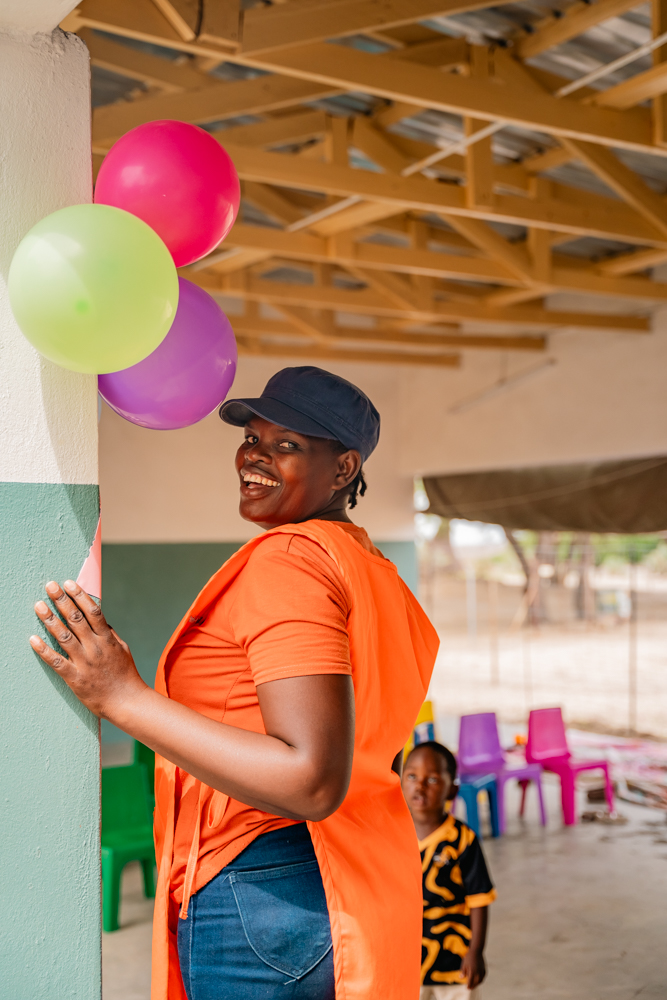
In the quiet village of Kavimba, where the Chobe River winds through lush landscapes, Mulela Bahiti’s life unfolds as a story of determination and hope. A single mother of six and a grandmother at 40, Mulela embodies a resilience that challenges the cyclical struggles of poverty and limited opportunities faced by many women in Botswana.

When Mulela joined LTP in January 2019, her life was defined by financial strain. Like many women in Botswana — 84% of whom are raising children alone — she had limited access to stable employment. Today, she credits LTP not only with easing her financial burdens but also with opening doors she hadn’t thought possible.

Kavimba Learn To Play Chobe Safari Lodge 2024 18


Breaking the Cycle

One of Mulela’s most notable achievements has been supporting her second-born daughter’s education. Her daughter is now studying nursing at Boitekanelo College in Gaborone, becoming the first in the family to attend university. While education is free, related costs—transport, accommodation, and study materials—remain a significant barrier. Through her work with LTP, Mulela has been able to cover these expenses, ensuring her daughter stays in school.

“I’m saving for a laptop for her studies,” she says, acknowledging the importance of even small investments in education. 

In addition to raising her children, Mulela became a grandmother at 40 when her third-born daughter had a baby at 19. The dual roles of mother and grandmother have added complexity to Mulela’s responsibilities, but she approaches them with resilience. “LTP has helped me pay off loans and provide groceries for the month,” she explains. “A lot has changed, and I’m hopeful my children will grow up to support me one day.”


Addressing Systemic Challenges

Mulela’s experience is not unique; it highlights broader challenges faced by women in Botswana. Single mothers often bear the brunt of financial and caregiving responsibilities, with limited access to resources or employment opportunities. Programmes like LTP are pivotal in breaking cycles of poverty by offering training, stipends, and a supportive network that enables women to take control of their circumstances.

Mulela’s journey reflects the transformative potential of uplifting women through work and education. With one child on the path to a stable career and others still in school, she sees a future where her family’s challenges are met with the resilience she’s cultivated through hard work and community support.


Birding at Chobe Campsite

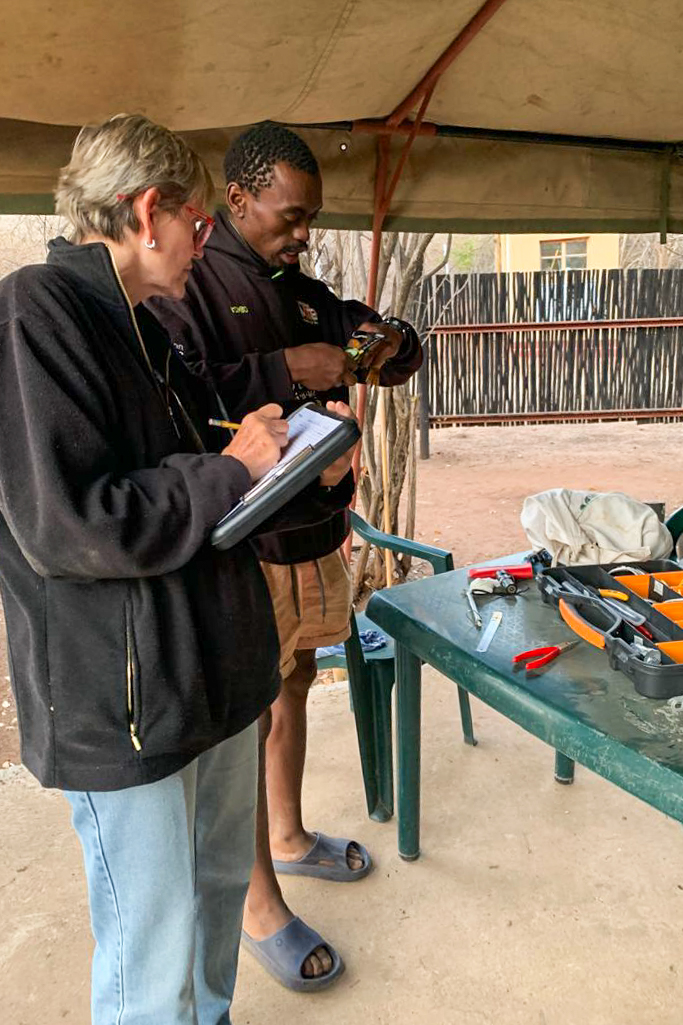
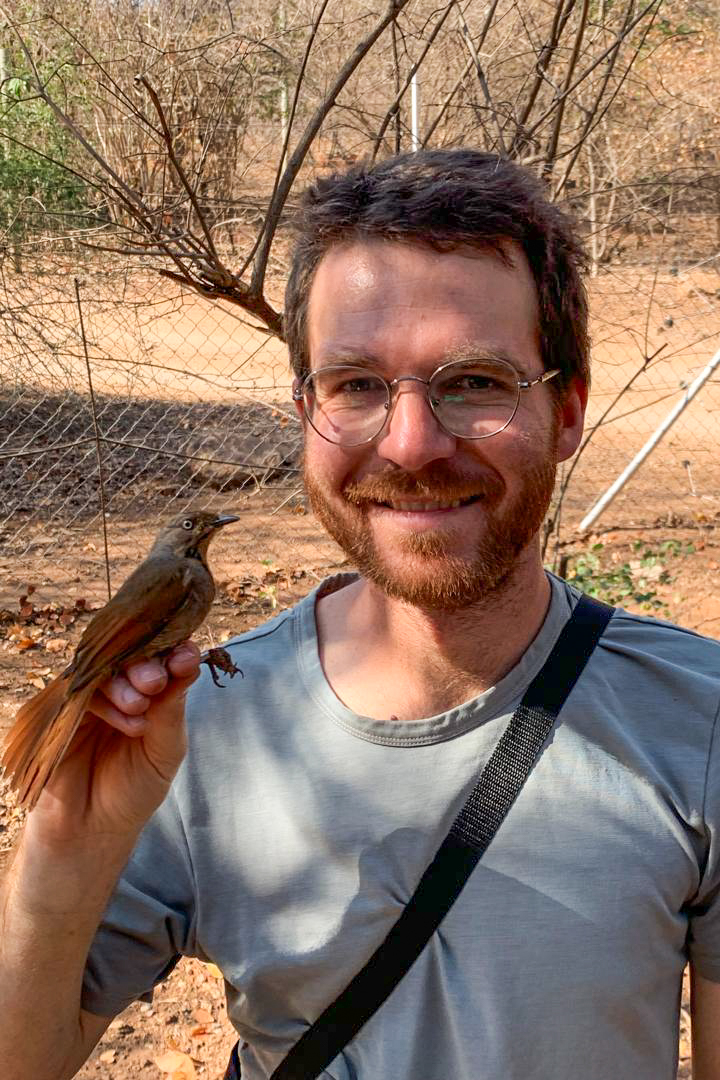
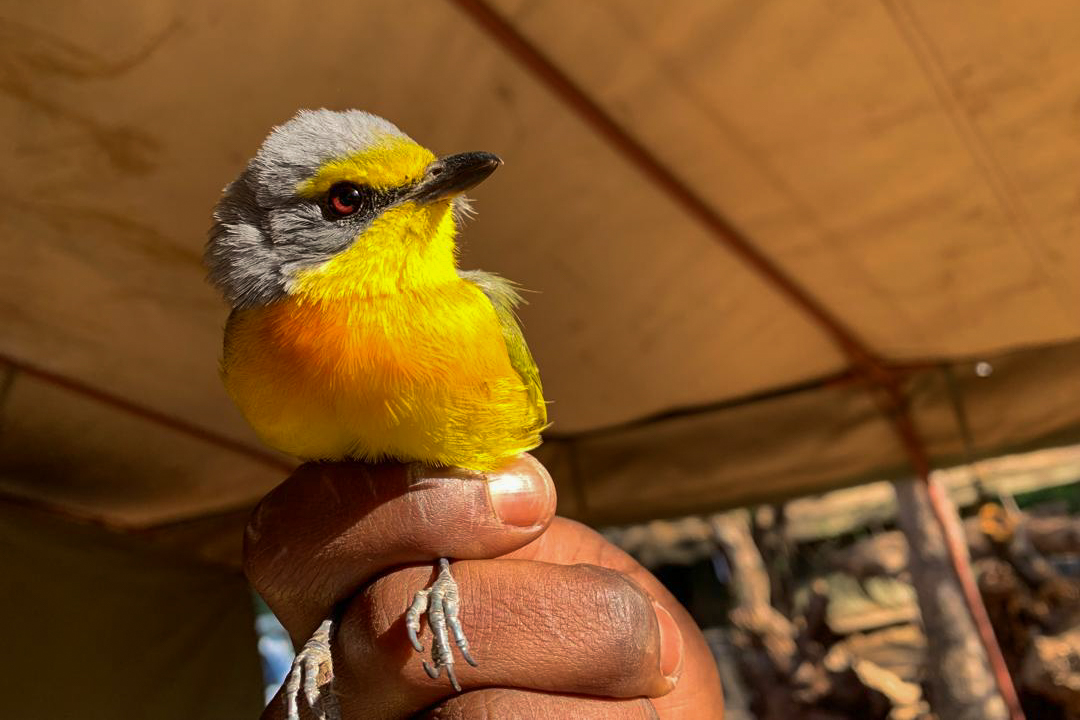
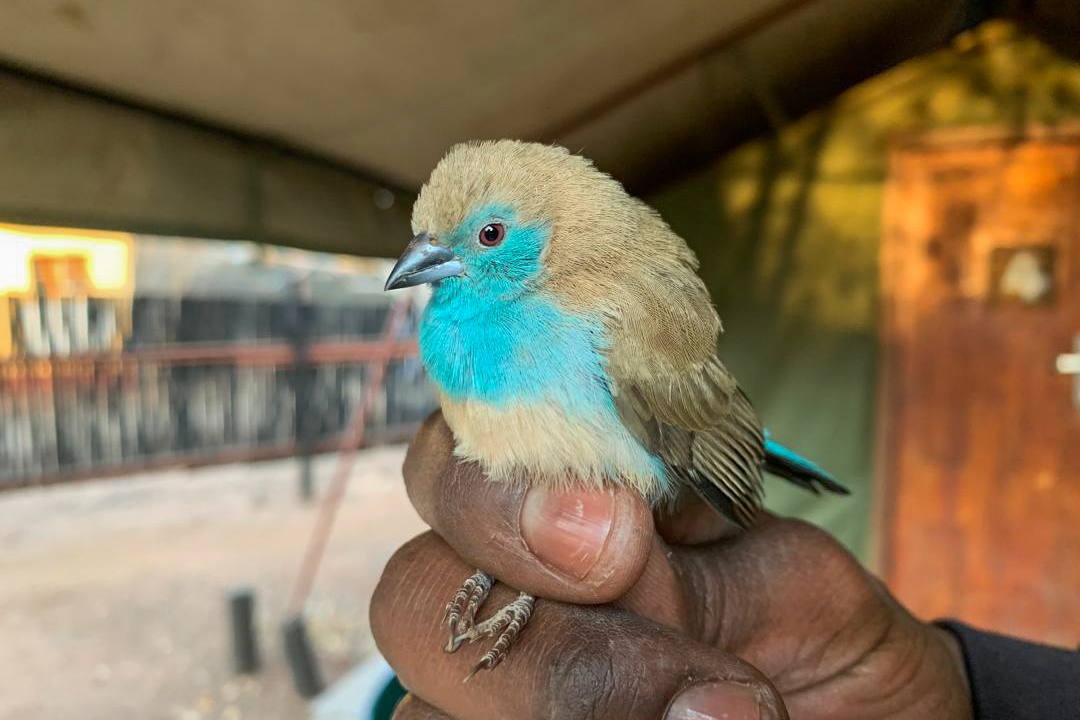
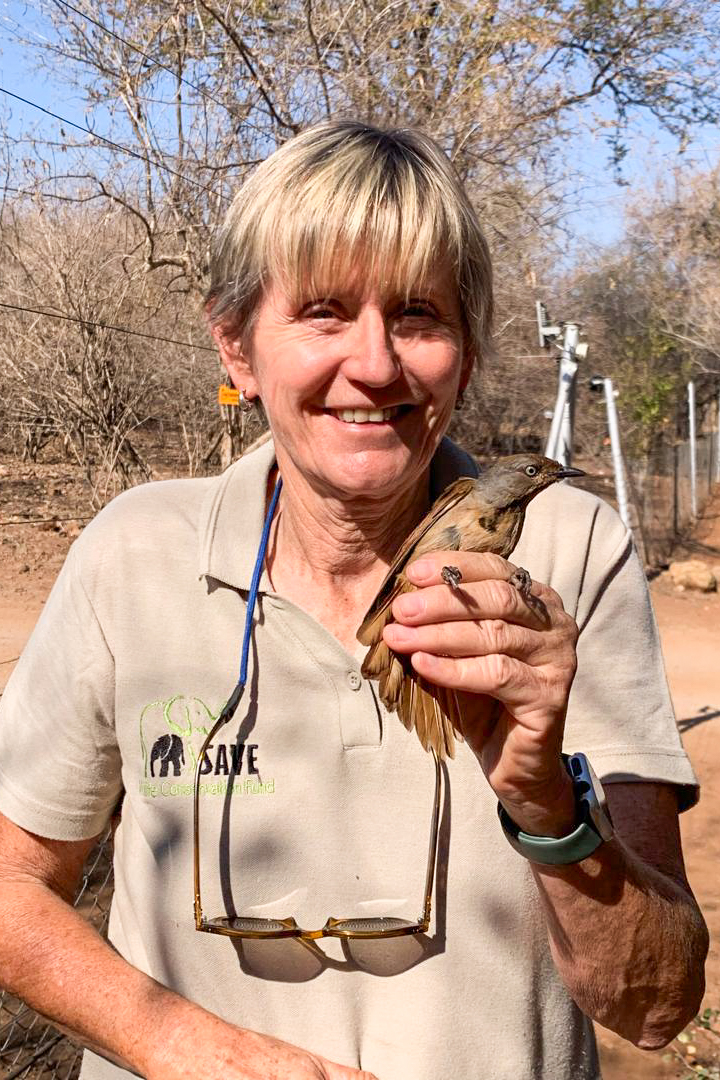
Chobe Safari Lodge recently had some interesting visitors. Bird ringing scientists!

Chobe Immpact Birding Ringing at Chobe Safari Lodge by Lyn Francey 3


The vital role of Bird Ringing in Chobe's wildlife conservation

The Chobe National Park in Northern Botswana is renowned for its vast wildlife, spectacular landscapes, and ecological diversity. While much of the attention is often focused on the park's majestic elephants, predators, and other charismatic megafauna, the birdlife of the Chobe region plays a crucial role in maintaining the health and balance of this vibrant ecosystem. One of the most effective methods for studying and conserving these avian populations is bird ringing.


What is Bird Ringing?

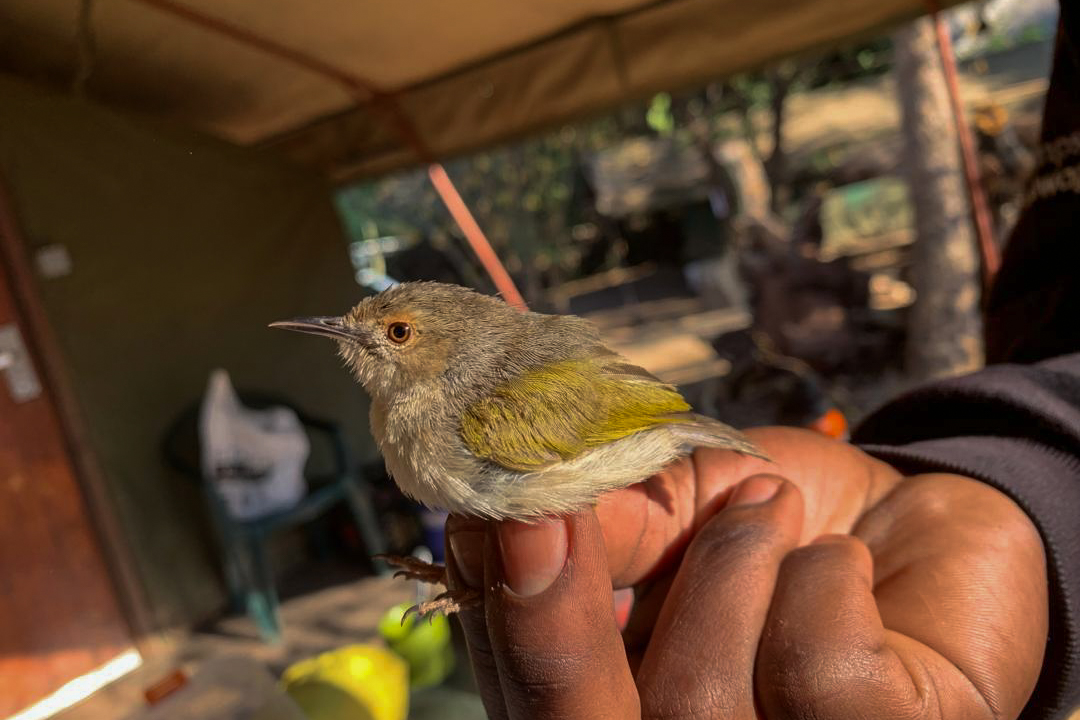
Bird ringing involves attaching a small, individually numbered metal or plastic ring around a bird's leg. This unique ring identifier allows researchers to track individual birds' movements, lifespan, breeding habits, and survival rates over time. The data collected from bird ringing activities provide critical insights into the life cycles and migratory patterns of bird species, many of which are key indicators of environmental health. In addition to securing the leg-ring, each bird is weighed, and the head, bill and wing measurements are taken.  Where possible, the sex is determined and recorded, as is the state or moult of the wing feathers.

Chobe Immpact Birding Ringing at Chobe Safari Lodge by Lyn Francey 8

Jonah Gula, a seasoned bird ring trainer and a PhD student at the University of KwaZulu-Natal, led the bird ringing project that came to Chobe Safari Lodges. With five years of research experience in southern Africa, primarily focusing on storks, Jonah is a population ecologist who utilizes methods like bird ringing to examine population dynamics. His expertise and dedication ensure the project's success in gathering crucial data on population metrics such as survival and population sizes.

Chobe Immpact Birding Ringing at Chobe Safari Lodge by Lyn Francey 5

Chobe Immpact Birding Ringing at Chobe Safari Lodge by Lyn Francey 4

The bird ringing at Chobe Safari Lodges is part of a more significant global effort. The Fitzpatrick Institute of Ornithology at the University of Cape Town manages all the data repositories for bird ringing in Southern Africa, also known as SAFRING. SAFRING supplies all the leg rings, ringing equipment, and services to all volunteer and professional ringers, maintaining close relationships with other ringing schemes worldwide. By submitting all bird ringing data to SAFRING, this Chobe project contributes to a global network of conservation efforts.

Chobe Immpact Birding Ringing at Chobe Safari Lodge by Lyn Francey 7

One of the main reasons the bird ringing team, including bird guide (and photographer of many of these images shared here) Lyn Francy, selected the Chobe Safari Lodges for this task is the abundance of birds and the variety of species seen here.

Chobe Immpact Birding Ringing at Chobe Safari Lodge by Lyn Francey 6

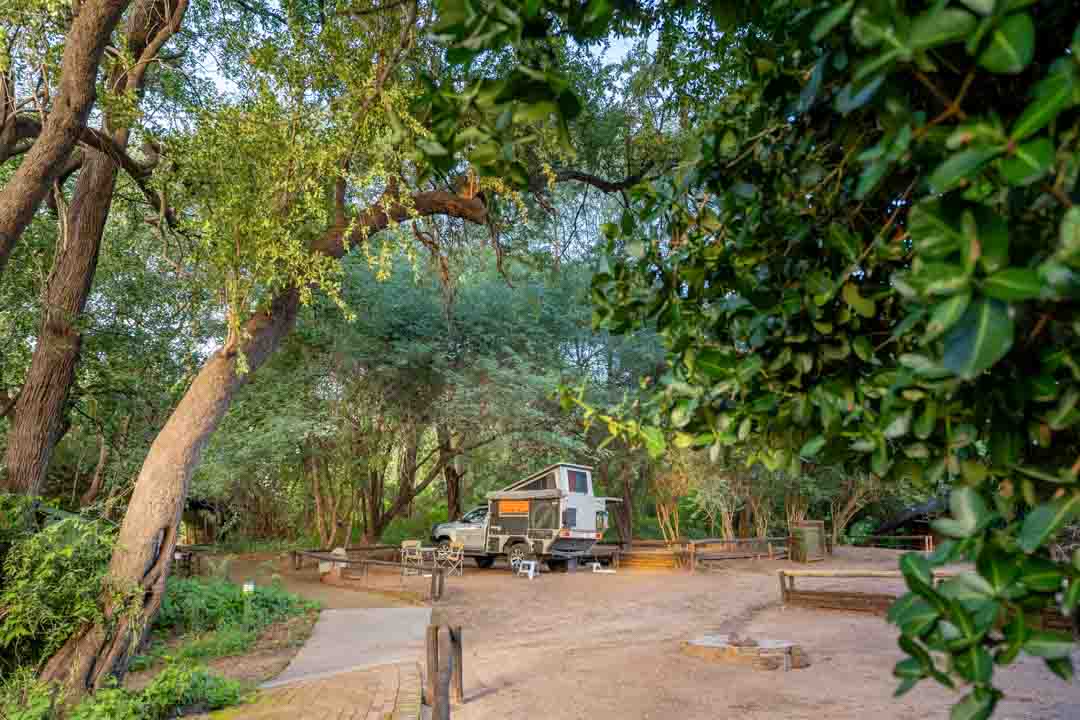
"Vegetation and habitat types are among the primary factors influencing bird distribution. Chobe Safari Lodge, being on the banks of the Chobe River, supports the Freshwater wetlands habitat, which is quite varied", says Lyn. "You have open and vegetated bodies of water, floodplains (Sedudu Island), and mature riparian woodland (the banks and front gardens ). The adjacent thorn scrub (behind Chobe Bush Lodge) shifts into the Zambezi Woodlands on the sandridge behind. Some birds are habitat-specific and may be restricted to these habitat types, whilst others are habitat generalists and are far more widespread. However, due to the varying habitat types on the property, a very diverse number of species can be seen".

Chobe Impact Birding Ringing at Chobe Safari Lodge Campsite 1 2


The importance of Bird Ringing in Chobe

The Chobe region is home to over 450 species of birds, making it a premier birding destination in Africa. Several of these species are migratory, travelling vast distances across continents. Understanding the movements of these birds is essential for their conservation, particularly in the face of climate change, habitat loss, and other environmental pressures. Bird ringing offers a noninvasive method to gather data to inform effective conservation strategies.
Chobe Impact Birding Ringing at Chobe Safari Lodge Campsite 1


Chobe Christmas Party 2023

December is a time of celebration and joy for many people. It's a time to be with friends, family, and colleagues and to share love and kindness.
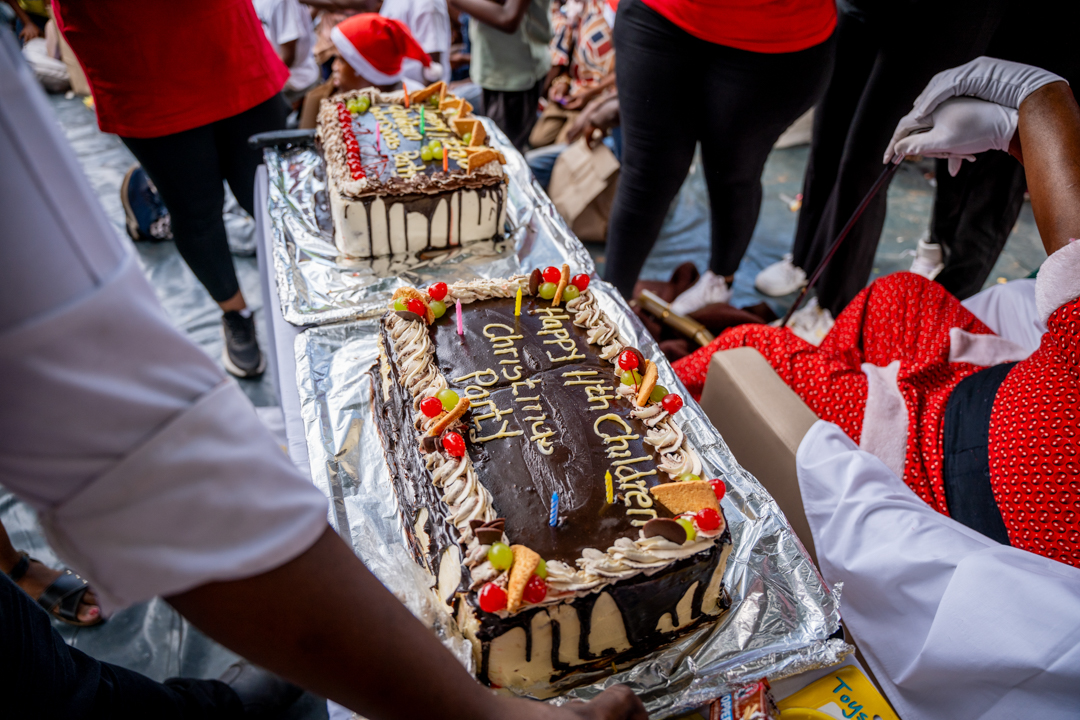
'Tis the season for giving! This year, we were touched by the radiant smiles of the vulnerable children from the Chobe region as they experienced a Christmas party like no other. For over a decade, Chobe Safari Lodge has organized a day of festivities for young souls from the Red Cross, the Kachikau Special Education Unit and Children's Ark. Every year, we're reminded of the importance of spreading joy.
 

Chobe Christmas Party 2023


Chobe Christmas Party 2023


Woohoo! Chobe


181 kids gathered at the lodge at the end of November 2023, their eyes filled with excitement and anticipation. Eight Santas arrived on bright red trucks! What a way to kickstart the festive atmosphere. Thanks to the local fire brigade, who generously sponsored an exciting start to the celebrations!


Santas at Chobe Safari Lodge


The 2023 Chobe Safari Lodge Christmas Party

The children then enjoyed a boat cruise, their laughter echoing against the natural beauty surrounding them. With its diverse wildlife and serene waters, the Chobe River became a playground of joy for these kids.


Jetty Chobe


Kids on boat Chobe 2023


Boat Cruise Chobe


Later, our campsite came alive with the beats of local and inspiring DJs. Shanky Briz and DJ LA Timmy volunteered their time and talents to ensure the kids had a memorable time. Music filled the air, and seeing the children dance the afternoon away was heartwarming.


Kasane DJs


Dancing in Chobe


Following some speeches from our local dignitaries, a delicious lunch awaited, filling their bellies before the highlight of the day. Also at the event were representatives from the Chobe Regional Education, Social Work Department, District Commissioners Office, Fire Department, and other stakeholders who had donated supplies and gifts for the event.


Kasane


Gifts for everyone!

Thanks to the collective generosity, each child received a gift pack and some clothing from Santa!


Christmas Cheer Chobe


After one last delicious slice of cake to celebrate the 11th annual Christmas Party, the sun set on this unforgettable Christmas safari. The smiles, laughter, and love shared on this special day are a testament to the power of collective kindness.


We're already counting down the days until we can do it again next year, continuing the tradition of giving and celebrating the true spirit of Christmas in the heart of the Chobe region.


Chobe Safari Lodge

May the joy of this season linger in our hearts and inspire us to make a difference wherever we go. Dedicated staff members, local services and volunteers contributed their time and expertise, and every hand played a crucial role in making this day a memorable success. Together, we can spread joy and positively impact the lives of those who need it most.


Ke a leboga to our Chobe community!


A special thanks to the Chobe Safari Lodge team and the following operators, council and departments for your generosity.


Chobe team 2023


Christmas Party for Kids Botswana


Fireman Department – Council District Council, Botswana Wildlife Department, Thebe River Safaris, Bushtracks, Chobezi, Chobe Marina Lodge, Kwando Safaris, CB Stores, Sea Pride, Security Services, Haskins, Builders World, Northern Electrical, Buy n Build, Botswana Consolidators, Stationery Box, Gaborone Electrics, Clean Wash, Aquarite, Senn Foods, Sefalana, Mr Veg, Bidvest Food, Chobe Distributors, Up North, Contemporary Linen, Shanky Briz and DJ La Timmy.


Thank you Chobe


Safari is in our Soul!