


When the sun sets over the Chobe River and the air fills with the smell of grilled delights, the Sedudu Bar and Grill come alive with more than just food and laughter. Guests are transported into the heart of Botswana’s diverse heritage through the powerful rhythms, traditional costumes, and spirited movements of cultural dance groups who perform at The Chobe Safari Lodge. We sat with each dance group to gain a deeper understanding of their roots and the stories they bring to life at our fires during the Sedudu Outdoor Dining Experience.
1. Twayuva Diware Dance Group – Healing in Motion
The Twayuva Diware Dance Group, formed in 2010, brings to life the traditions from the Wayeyi and Hambukushu ethnic groups in the Okavango district. Their dance style, Diware, is not just entertainment; it is a healing ritual.
Traditionally, Diware is performed when a family seeks help from a healer, or Nganga. Through singing, dancing, and the symbolic attire of skirts, shawls, beads, and charms, the ritual connects the physical and spiritual worlds, helping restore a sick person to health. At Sedudu, guests get a taste of this deep cultural practice transformed into an energetic, celebratory performance.
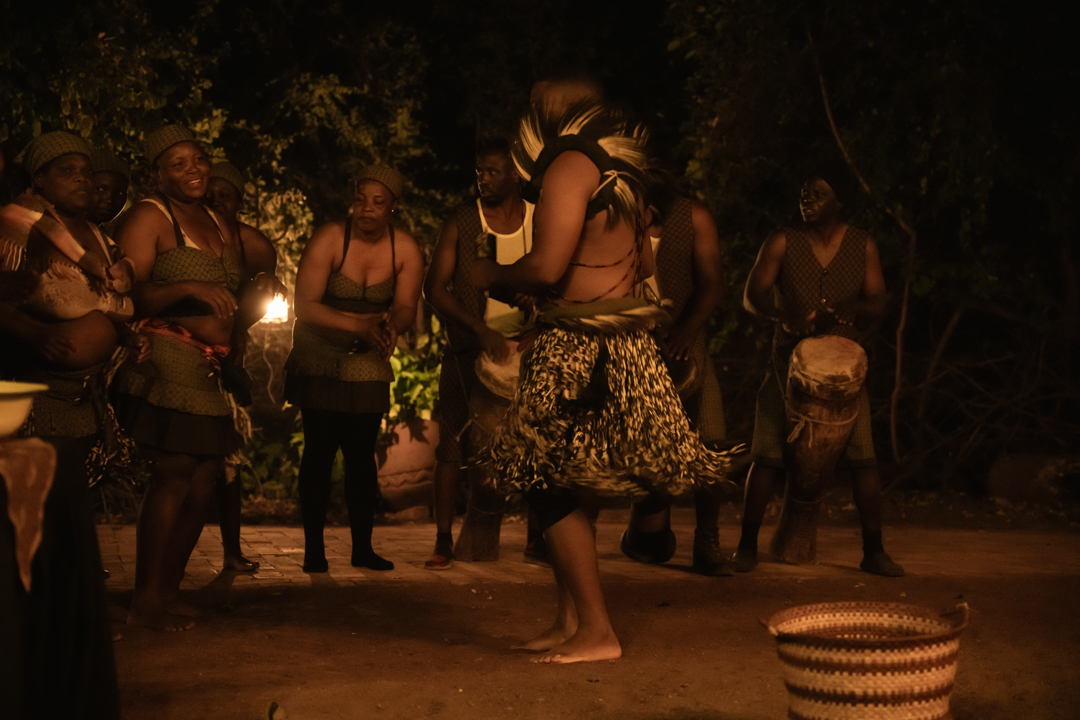
The formation of Twayuza dance group was inspired by the spirit of community, social bonds and ties. Ms Keitumetse, the group leader, shares that Hambukushu people are originally from Okavango so most of them found themselves in Kasane in search of greener pastures or because of work. An idea occurred that they should form a group and start a Diware traditional dance group as a way to connect with their culture during their leisure time.
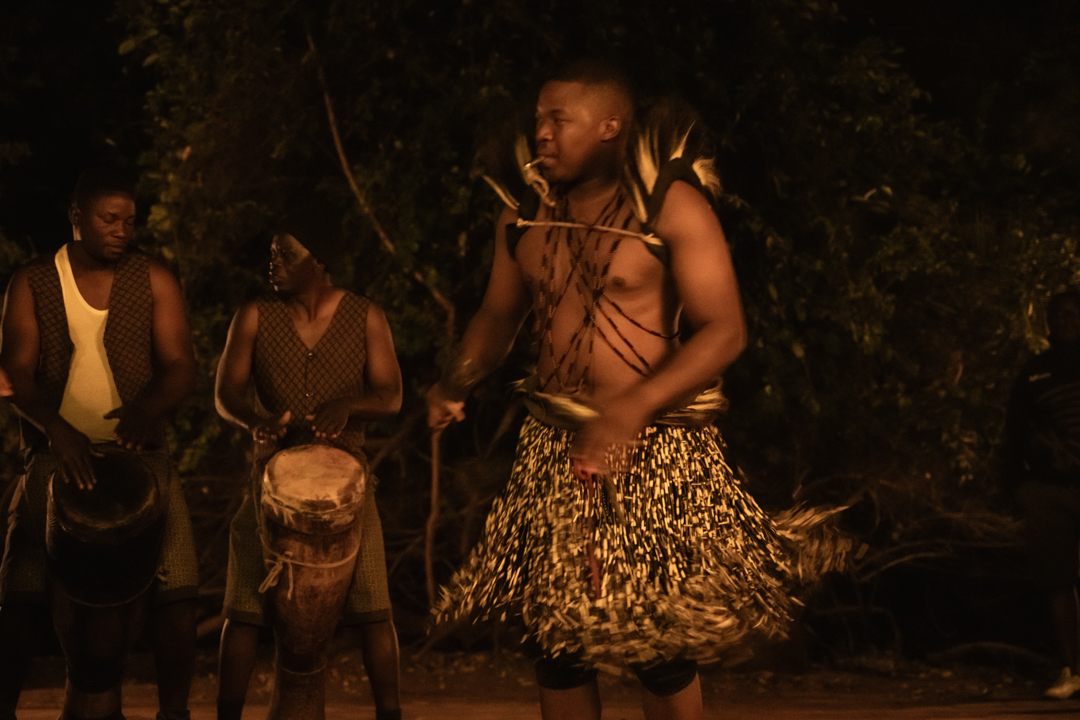
Look out for: women in long skirts forming a circle, singing Tjimbukushu healing songs, while the healer blows a whistle – a sound that bridges the spiritual and physical realms. Animal skins and other natural elements often incorporated into the outfits represent a deep connection to nature and the spiritual world. They may also signify past successful healing rituals or spiritual encounters. What makes Twayuva unique is their authenticity: they perform purely out of love for culture, not for competition.
2. Chaako Nchaako Seperu Group – The Dance of the Basubiya
Formed in 2014, the Chaako Nchaako Seperu Group represents the Basubiya people, known locally as Veekuhane, whose roots are in the Chobe Enclave.
Their performances bring to life the Seperu dance, a vibrant and elegant style often performed at weddings, initiations, coronations, and heritage festivals like Cisiya Nkulu.
The dance appears in life’s defining moments — weddings, initiation into womanhood, coronations, and rites of passage. In weddings, the dance surrounds the bride and groom with blessings and gifts. At coronations, it honours chiefs with songs of loyalty and joy.
Women perform in a horseshoe formation; men, notably the lead dancer, wield a fly whisk to call forward a dancer who then displays her “mushishi” skirt in a sweeping display. Women wear these Moshishi skirts, layered in dazzling colours that fan out like a peacock’s feathers as they dance.
Men wear Chiziva skirts and hold fly whisks, a reminder of their heritage as cattle keepers.
The group’s formation often depicts polygamous marriages, echoing Basubiya traditions of the past.
Beyond its ceremonial role, the group was born out of necessity and a social anchor. As their leader explained:
“After seeing a lot of youth roaming the streets and being idle because they were unemployed, most of them were involved in the excessive consumption of alcohol and other social ills. So, we formed this group to keep them busy and engaged in a meaningful activity. At the same time, they would learn the Seperu dance and the cultural traditions of the Basubiya, locally known as Veekuhane, while also earning a living through this group.”
The dance also takes centre stage during Cisiya Nkulu, the annual festival celebrating Basubiya heritage, culture, and traditions. Held in Kavimba, the Basubiya headquarters, the event is filled with song, dance, traditional food, and cultural games. Seperu groups perform in turn to entertain the crowds, while leaders such as Ministers, Members of Parliament, and even dignitaries from neighbouring nations join the festivities.
Chaako Nchaako has performed not only in Botswana but also in Zambia, Namibia, and even Dubai, carrying the rhythm of the Basubiya far beyond Chobe.
Seperu is more than just a celebration. This dance troupe is safeguarding a tradition that the world now recognises as fragile but vital. In 2019, UNESCO placed the Seperu folkdance and associated practices on its List of Intangible Cultural Heritage in Need of Urgent Safeguarding. UNESCO notes that there are only around 194 active Seperu practitioners, with just 12 masters over the age of 70. This makes the group’s work in training children and youth not only admirable but crucial.
Their performances at Sedudu are therefore not just a spectacle — they are part of a living strategy to preserve this endangered cultural treasure.
3. Matsosangwao Arts Ensemble – A Journey Through Botswana’s Tribes
The Matsosangwao Arts Ensemble, founded in 2005 by the charismatic Mr Chix, is the oldest performing group at The Chobe Safari Lodge. With nearly 20 years of experience, they have mastered the art of blending tradition with showmanship, offering a sweeping journey through Botswana’s diverse ethnic dances.
This group mainly performs an ensemble, or a mixture of different cultures found in
Botswana, including:
- Setapa (Central Botswana) – a dance of joy, performed in animal-skin attire.
- Tsutsube (San communities) – a healing ritual performed around a bonfire.
- Phathisi (Kweneng district) – where men in trench coats, hats, and strings tied at the knees mimic the carefree life of old cattlepost men.
- Dikhwaere – festive wedding songs performed in the iconic Leteisi fabric.
- Hosana (Kalanga tribe) – a barefoot ritual dance asking ancestors for rain.
Each costume and song carries layers of meaning: baskets filled with crops represent sustenance, while the Leteisi fabric signifies marriage, patriotism, and national pride.
Matsosangwao has commercialised their performances, travelling internationally to India, America, and beyond, while still staying rooted in Botswana’s heritage. They’ve also pioneered cultural entertainment tourism in Chobe, paving the way for younger groups.
More Than Entertainment – A Cultural Exchange
At the Sedudu Outdoor Dining Experience, these performances are not just shows; they are living classrooms.
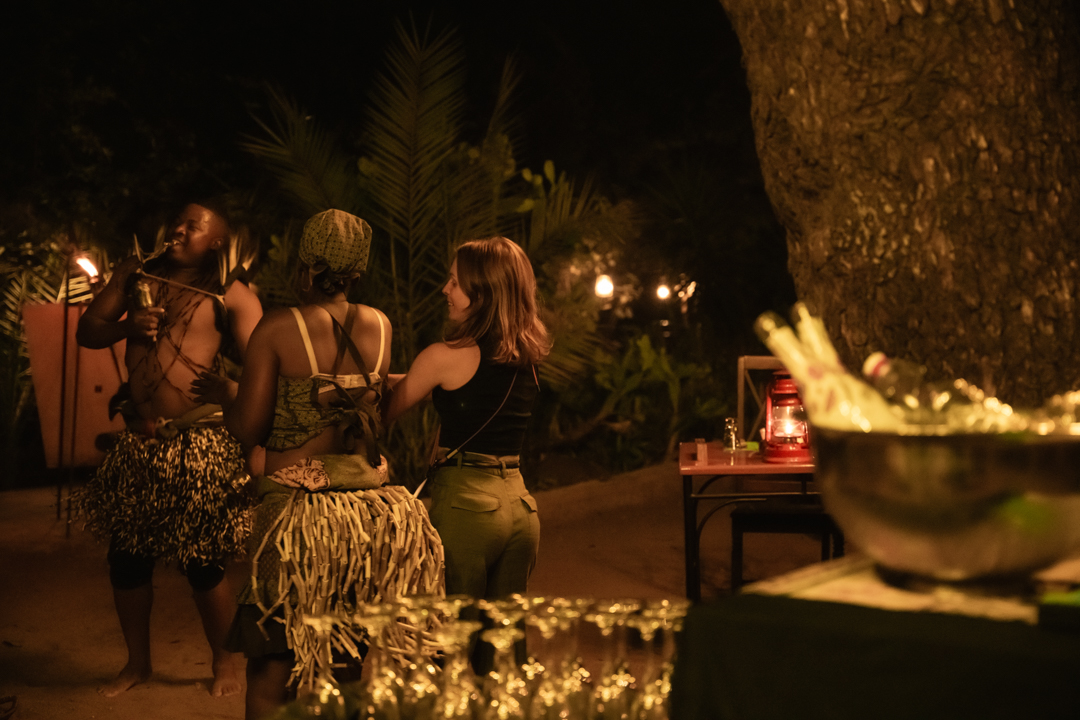
Guests learn that: dance can heal (Diware), dance can celebrate milestones and heritage (Seperu), dance can preserve and showcase diverse cultures (Matsosangwao’s ensemble).
The groups also take pride in passing their knowledge to the next generation, training children and youth to ensure these traditions thrive.
All three groups share a dream: to one day establish cultural villages where tourists can immerse themselves fully – not just through dance, but also through crafts like basket weaving, pottery, and storytelling.
Until then, the Sedudu Outdoor Dining Experience remains one of the best places to experience Botswana’s cultural heartbeat.
So, the next time you find yourself by the Chobe River, settle in, and let the drums, songs, and rhythms carry you through our many rich cultures.